Brassica Oleracea Acephala Leaf Powder
What is Brassica Oleracea Acephala Leaf Powder?
Brassica Oleracea Acephala Leaf Powder is derived from the leaves of the kale plant, a variety of cabbage. The leaves are typically dried and ground into a fine powder. This process helps to preserve the nutrients and makes it easier to incorporate into various food products.
Is Brassica Oleracea Acephala Leaf Powder vegan?
Brassica Oleracea Acephala Leaf Powder is not animal-derived. Products that contain it can still include other animal-derived ingredients, so check the full ingredient list.
Is Brassica Oleracea Acephala Leaf Powder gluten-free?
It does not contain gluten.
Is Brassica Oleracea Acephala Leaf Powder a major allergen?
Kale is not one of the nine major allergens identified by the FDA.
What is Brassica Oleracea Acephala Leaf Powder used for?
This powder is often added to foods as a source of nutrients, particularly vitamins and minerals found in kale.
Is Brassica Oleracea Acephala Leaf Powder safe?
Kale leaf powder is generally recognized as safe (GRAS) by the FDA for use in food.
Why it's used
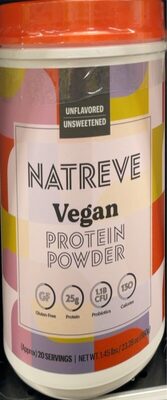
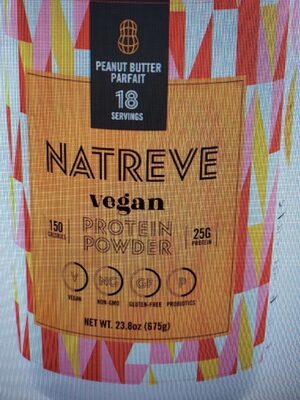
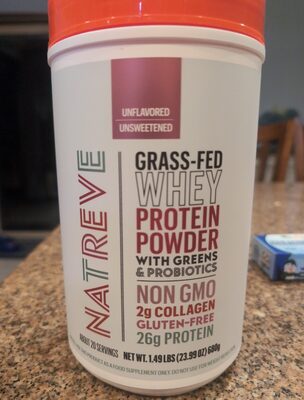
This powder is often added to foods as a source of nutrients, particularly vitamins and minerals found in kale. It is frequently used in dietary supplements, protein powders, and health drinks to boost the nutritional profile. Manufacturers use it to enhance the perceived health benefits of their products.
Health notes
Kale leaf powder is generally recognized as safe (GRAS) by the FDA for use in food. It is a source of vitamins, minerals, and fiber. International bodies like JECFA and EFSA have evaluated various food ingredients, but specific evaluations for kale leaf powder may vary. At typical consumption levels found in fortified foods, it is considered safe and contributes to a balanced diet.
Allergen info
Kale is not one of the nine major allergens identified by the FDA. It does not contain gluten.
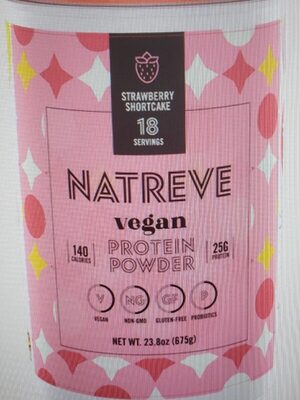
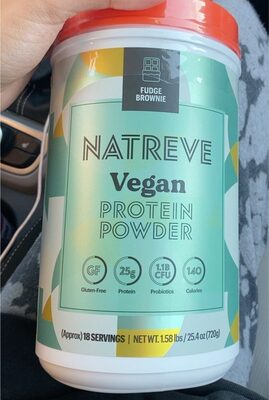
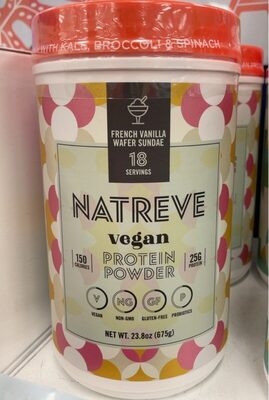
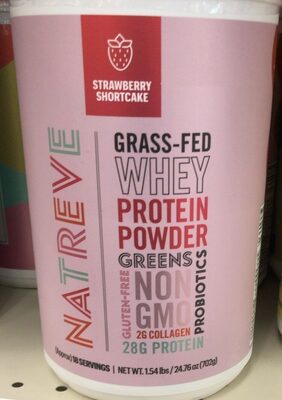
Foods that contain Brassica Oleracea Acephala Leaf Powder
Compare products →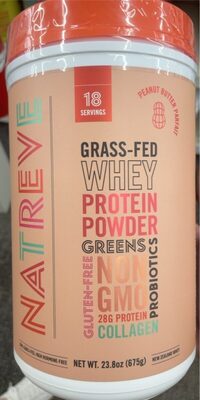
Auto-generated content. This description was generated automatically and is pending editorial review. Inaccuracies are possible. Found a mistake? Contact us.