Brewed Hibiscus Tea
What is Brewed Hibiscus Tea?
Brewed hibiscus tea is made from the dried, crimson calyces (sepals) of the *Hibiscus sabdariffa* flower. The flowers are steeped in hot water, similar to how other teas are brewed. The resulting beverage is tart and can be served hot or cold.
Is Brewed Hibiscus Tea vegan?
Brewed Hibiscus Tea is not animal-derived. Products that contain it can still include other animal-derived ingredients, so check the full ingredient list.
Is Brewed Hibiscus Tea gluten-free?
It does not contain gluten.
Is Brewed Hibiscus Tea a major allergen?
Hibiscus tea is not derived from any of the nine FDA major allergens.
What is Brewed Hibiscus Tea used for?
Hibiscus tea is used as a flavoring agent and a natural colorant in beverages, desserts, and jams.
Is Brewed Hibiscus Tea safe?
Hibiscus tea is generally recognized as safe (GRAS) by the FDA for use in food.
Why it's used
Hibiscus tea is used as a flavoring agent and a natural colorant in beverages, desserts, and jams. Manufacturers add it to provide a fruity, cranberry-like flavor and a vibrant red hue. It is commonly found in iced teas, fruit juices, and herbal blends.
Health notes
Hibiscus tea is generally recognized as safe (GRAS) by the FDA for use in food. Some studies suggest it may help lower blood pressure, but more research is needed. The WHO and EFSA have not specifically evaluated hibiscus tea for food additive purposes. Evidence on its health effects is mixed and requires further investigation.
Allergen info
Hibiscus tea is not derived from any of the nine FDA major allergens. It does not contain gluten.
Foods that contain Brewed Hibiscus Tea
Compare products →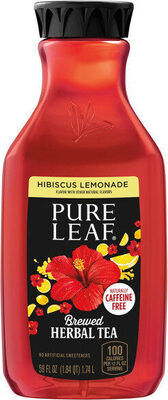
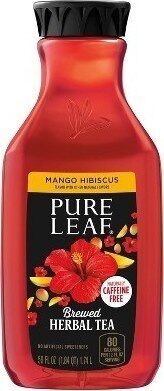
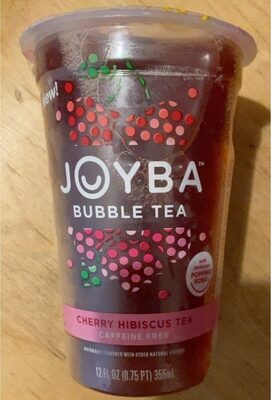
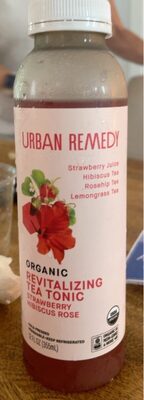
Learn more
Auto-generated content. This description was generated automatically and is pending editorial review. Inaccuracies are possible. Found a mistake? Contact us.