Budweiser Beer
What is Budweiser Beer?
Budweiser Beer is a popular American-style lager, an alcoholic beverage made from water, barley malt, rice, hops, and yeast. It undergoes a fermentation process where yeast converts sugars from the grains into alcohol and carbon dioxide. When used as a food ingredient, it contributes a distinct flavor.
Is Budweiser Beer vegan?
Budweiser Beer is not animal-derived. Products that contain it can still include other animal-derived ingredients, so check the full ingredient list.
Is Budweiser Beer gluten-free?
Budweiser Beer is typically made with barley malt and rice, and therefore contains gluten.
What is Budweiser Beer used for?
Manufacturers add Budweiser Beer to foods primarily for its unique flavor profile, which can range from malty and slightly sweet to subtly bitter.
Is Budweiser Beer safe?
Budweiser Beer, as an alcoholic beverage, contains alcohol.
Why it's used
Manufacturers add Budweiser Beer to foods primarily for its unique flavor profile, which can range from malty and slightly sweet to subtly bitter. It is often used in sauces, marinades, batters for fried foods, and sometimes in baked goods to add depth of flavor. Common food types include BBQ sauces, beer-battered items, and savory glazes.
Health notes
Budweiser Beer, as an alcoholic beverage, contains alcohol. When used as an ingredient in foods, the amount of alcohol remaining in the final product can vary depending on cooking methods, as some alcohol may evaporate. The International Agency for Research on Cancer (IARC) classifies alcoholic beverages as carcinogenic to humans (Group 1). The FDA regulates food products containing alcohol, ensuring they meet safety and labeling standards. JECFA and EFSA primarily evaluate food additives and contaminants, not complex food ingredients like beer itself.
Allergen info
Budweiser Beer is typically made with barley malt and rice, and therefore contains gluten. It is not derived from any of the nine major FDA allergens.
Foods that contain Budweiser Beer
Compare products →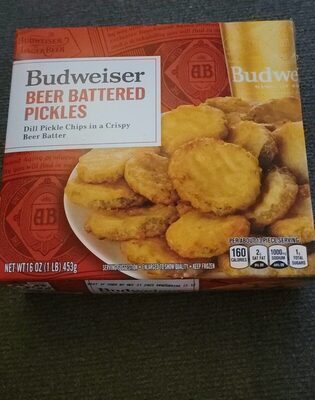
Learn more
Auto-generated content. This description was generated automatically and is pending editorial review. Inaccuracies are possible. Found a mistake? Contact us.