Calabrian Chilies
What is Calabrian Chilies?
Calabrian chilies are a variety of chili pepper native to the Calabria region of southern Italy. They are typically small, red, and have a moderate to high heat level with a distinct fruity flavor. After harvesting, they are often dried, pickled, or made into pastes and sauces.
Is Calabrian Chilies vegan?
Calabrian Chilies is not animal-derived. Products that contain it can still include other animal-derived ingredients, so check the full ingredient list.
Is Calabrian Chilies a major allergen?
Not a major allergen.
What is Calabrian Chilies used for?
Calabrian chilies are used to add a spicy kick and complex flavor to a variety of dishes.
Is Calabrian Chilies safe?
Calabrian chilies are generally recognized as safe for consumption as a food ingredient.
Why it's used
Calabrian chilies are used to add a spicy kick and complex flavor to a variety of dishes. They are frequently found in pasta sauces, pizza toppings, marinades, and hot sauces. Their unique taste profile makes them a popular ingredient for adding depth and heat without overwhelming other flavors.
Health notes
Calabrian chilies are generally recognized as safe for consumption as a food ingredient. They are a source of capsaicin, the compound responsible for chili peppers' heat, which has been studied for potential health effects. Regulatory bodies like the FDA do not typically set specific limits for chili peppers as a whole food ingredient. While generally considered safe, excessive consumption of very spicy foods can sometimes lead to digestive discomfort in sensitive individuals.
Allergen info
Not a major allergen.
Foods that contain Calabrian Chilies
Compare products →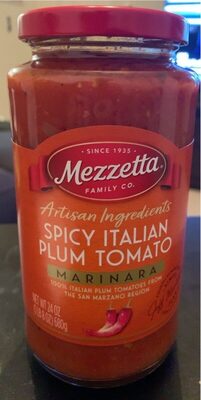
Auto-generated content. This description was generated automatically and is pending editorial review. Inaccuracies are possible. Found a mistake? Contact us.