California Seedless Raisins
What is California Seedless Raisins?
California seedless raisins are dried grapes, typically of the Thompson Seedless variety. They are produced by dehydrating fresh grapes, usually through sun-drying or mechanical drying, which concentrates their natural sugars and nutrients.
Is California Seedless Raisins vegan?
California Seedless Raisins is not animal-derived. Products that contain it can still include other animal-derived ingredients, so check the full ingredient list.
Is California Seedless Raisins gluten-free?
They do not contain gluten.
Is California Seedless Raisins a major allergen?
Raisins are not a major allergen.
What is California Seedless Raisins used for?
Raisins are used as a natural sweetener and flavor enhancer in a variety of foods.
Is California Seedless Raisins safe?
Raisins are generally recognized as safe (GRAS) by the FDA for use in food.
Why it's used
Raisins are used as a natural sweetener and flavor enhancer in a variety of foods. Their chewy texture and sweet taste make them popular in baked goods like cookies and muffins, as well as in snack mixes, cereals, and trail mixes.
Health notes
Raisins are generally recognized as safe (GRAS) by the FDA for use in food. They are a source of dietary fiber, potassium, and antioxidants. JECFA has evaluated raisins and did not specify an ADI. While naturally occurring sugars are present, they are consumed in moderation as part of a balanced diet.
Allergen info
Raisins are not a major allergen. They do not contain gluten.
Foods that contain California Seedless Raisins
Compare products →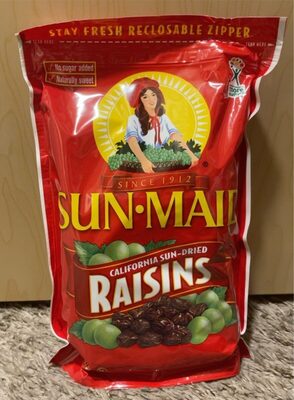
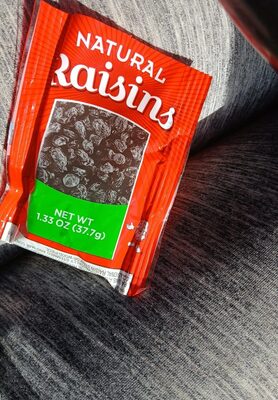
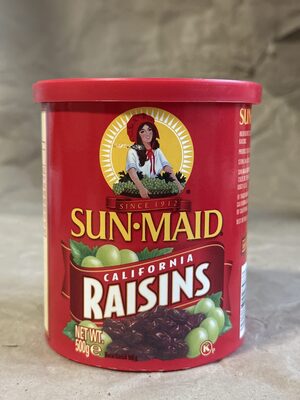
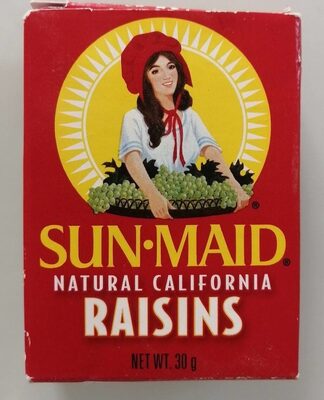
Auto-generated content. This description was generated automatically and is pending editorial review. Inaccuracies are possible. Found a mistake? Contact us.