Canary Beans
What is Canary Beans?
Canary beans are a type of dry bean, scientifically known as *Phaseolus vulgaris*. They are native to the Americas and are characterized by their distinctive yellow or cream color and a mild, slightly sweet flavor. Like other dry beans, they are typically harvested, dried, and then packaged for sale.
Is Canary Beans vegan?
Canary Beans is not animal-derived. Products that contain it can still include other animal-derived ingredients, so check the full ingredient list.
Is Canary Beans gluten-free?
They do not contain gluten.
Is Canary Beans a major allergen?
Canary beans are legumes and are not derived from any of the 9 FDA major allergens.
What is Canary Beans used for?
Canary beans are often used in soups, stews, salads, and as a side dish.
Is Canary Beans safe?
Canary beans are a source of dietary fiber, protein, and various micronutrients.
Why it's used
Canary beans are often used in soups, stews, salads, and as a side dish. Their mild flavor makes them versatile, and they can absorb the tastes of other ingredients well. Manufacturers may include them in pre-packaged vegetable mixes or canned bean products.
Health notes
Canary beans are a source of dietary fiber, protein, and various micronutrients. The FDA generally recognizes dry beans as safe (GRAS) for consumption. International bodies like JECFA have evaluated beans and their components, typically finding them safe for consumption. No specific health concerns are associated with typical consumption of canary beans.
Allergen info
Canary beans are legumes and are not derived from any of the 9 FDA major allergens. They do not contain gluten.
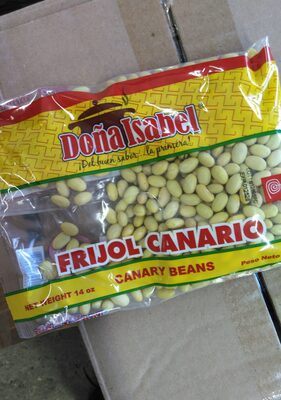
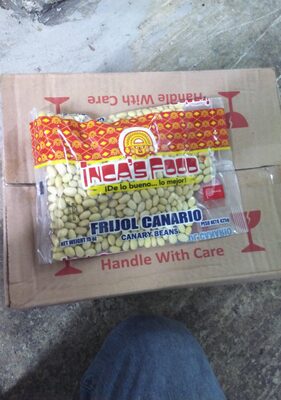
Foods that contain Canary Beans
Compare products →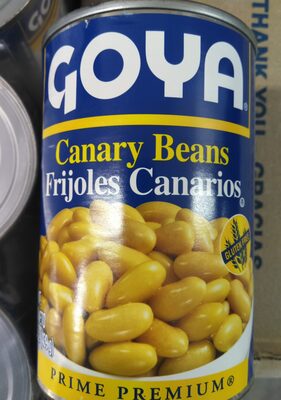
Auto-generated content. This description was generated automatically and is pending editorial review. Inaccuracies are possible. Found a mistake? Contact us.