Cane Invert Sugar
What is Cane Invert Sugar?
Cane invert sugar is a liquid sweetener made from cane sugar (sucrose). It is produced by breaking down sucrose into its two simpler sugar components: glucose and fructose. This process, called inversion, can occur naturally or be induced by adding heat and acid.
Is Cane Invert Sugar vegan?
Cane Invert Sugar is not animal-derived. Products that contain it can still include other animal-derived ingredients, so check the full ingredient list.
Is Cane Invert Sugar gluten-free?
It does not contain gluten.
Is Cane Invert Sugar a major allergen?
Cane invert sugar is not derived from any of the 9 FDA major allergens.
What is Cane Invert Sugar used for?
Manufacturers use cane invert sugar as a sweetener and to improve moisture and texture in baked goods.
Is Cane Invert Sugar safe?
Cane invert sugar is generally recognized as safe (GRAS) by the FDA.
Why it's used
Manufacturers use cane invert sugar as a sweetener and to improve moisture and texture in baked goods. Its liquid form and ability to prevent sugar crystallization make it useful in products like sauces, candies, and frostings.
Health notes
Cane invert sugar is generally recognized as safe (GRAS) by the FDA. Like other sugars, it provides calories and can contribute to dental caries and other health concerns if consumed in excess. JECFA has evaluated invert sugar and set an acceptable daily intake. Evidence does not suggest adverse health effects at typical consumption levels.
Allergen info
Cane invert sugar is not derived from any of the 9 FDA major allergens. It does not contain gluten.
Foods that contain Cane Invert Sugar
Compare products →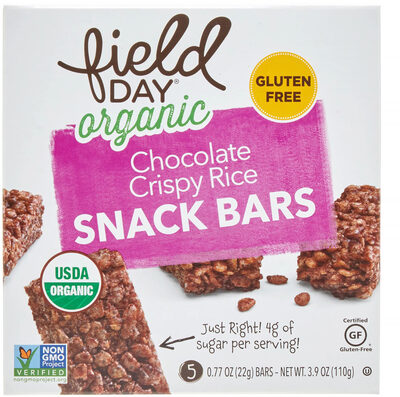
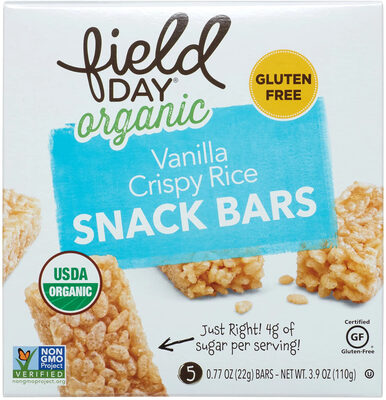

Learn more
Auto-generated content. This description was generated automatically and is pending editorial review. Inaccuracies are possible. Found a mistake? Contact us.