Cane Molasses
What is Cane Molasses?
Cane molasses is a thick, dark syrup produced during the refining of sugarcane into sugar. It is a byproduct of sugar production, with different types (like light, dark, and blackstrap) resulting from different stages of the boiling and crystallization process.
Is Cane Molasses vegan?
Cane Molasses is not animal-derived. Products that contain it can still include other animal-derived ingredients, so check the full ingredient list.
Is Cane Molasses gluten-free?
It does not contain gluten.
Is Cane Molasses a major allergen?
Cane molasses is not derived from any of the 9 FDA major allergens.
What is Cane Molasses used for?
Manufacturers use cane molasses primarily as a sweetener and coloring agent, adding a rich, slightly bitter flavor and dark hue to foods.
Is Cane Molasses safe?
Cane molasses is generally recognized as safe (GRAS) by the FDA for use in food.
Why it's used
Manufacturers use cane molasses primarily as a sweetener and coloring agent, adding a rich, slightly bitter flavor and dark hue to foods. It is commonly found in baked goods like cookies, cakes, and breads, as well as in brown sugar, candies, and some sauces.
Health notes
Cane molasses is generally recognized as safe (GRAS) by the FDA for use in food. It contains some minerals, such as iron and calcium, but typically in amounts too small to significantly impact nutritional intake from typical consumption levels. JECFA has evaluated molasses and did not specify a numerical ADI. Evidence does not suggest adverse health effects from consuming molasses in typical food amounts.
Allergen info
Cane molasses is not derived from any of the 9 FDA major allergens. It does not contain gluten.
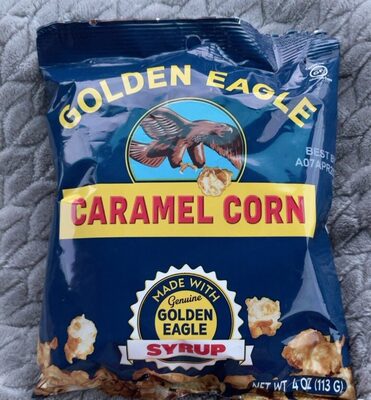
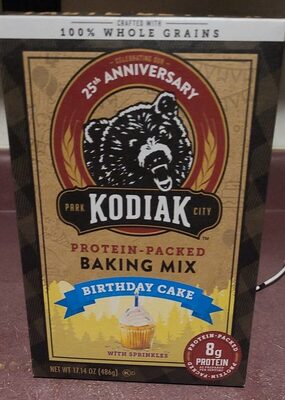
Foods that contain Cane Molasses
Compare products →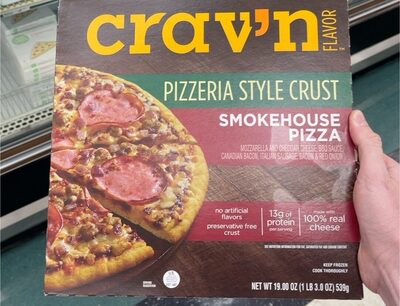
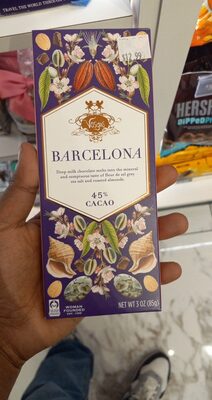
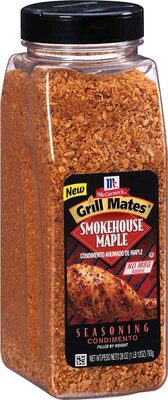
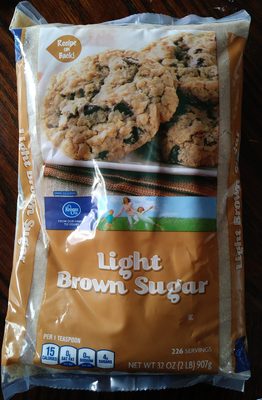
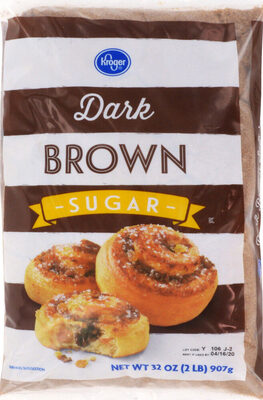
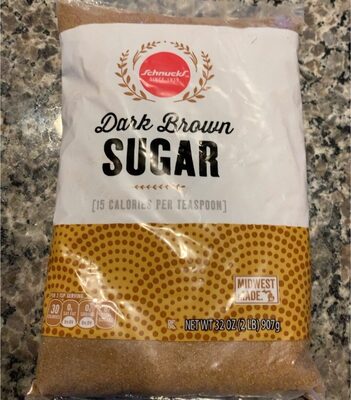
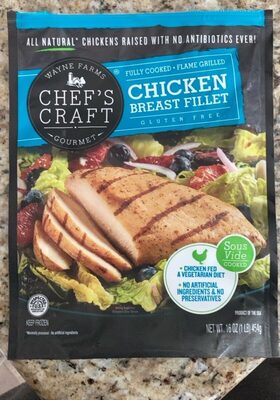
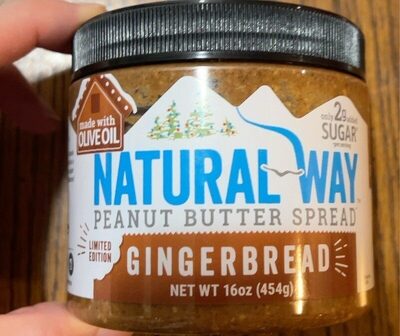

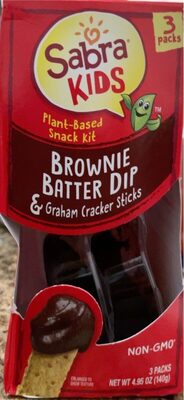
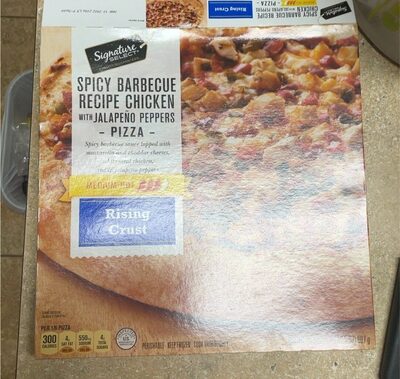
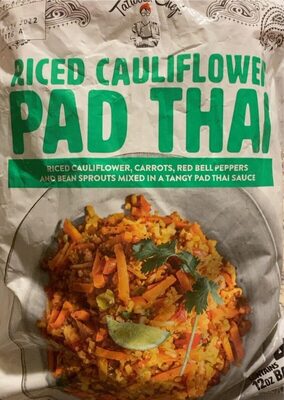
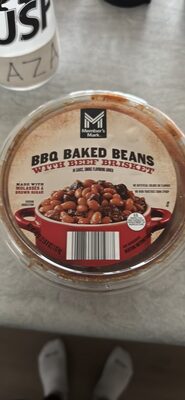
Learn more
Auto-generated content. This description was generated automatically and is pending editorial review. Inaccuracies are possible. Found a mistake? Contact us.