Caramel Color Potassium Sorbate
What is Caramel Color Potassium Sorbate?
Caramel color is a food coloring made by heating carbohydrates, such as sugar or corn syrup. This process, called caramelization, creates a range of brown colors. Depending on the specific process and reactants used, it can be classified into four classes.
Is Caramel Color Potassium Sorbate gluten-free?
It does not contain gluten.
Is Caramel Color Potassium Sorbate a major allergen?
Caramel color is not derived from any of the 9 FDA major allergens.
What is Caramel Color Potassium Sorbate used for?
Manufacturers add caramel color to provide or enhance brown coloring in a wide variety of foods and beverages.
Is Caramel Color Potassium Sorbate safe?
Caramel color is generally recognized as safe (GRAS) by the FDA for use in food.
Why it's used
Manufacturers add caramel color to provide or enhance brown coloring in a wide variety of foods and beverages. It is commonly found in baked goods, soft drinks, sauces, gravies, and confectioneries.
Health notes
Caramel color is generally recognized as safe (GRAS) by the FDA for use in food. Some forms of caramel color, specifically Class III and IV, can contain byproducts like 4-MEI, which has raised public concern. However, regulatory bodies like the FDA and EFSA have reviewed caramel color and have not set specific limits on its consumption, finding it safe at typical levels. JECFA has also evaluated caramel color.
Allergen info
Caramel color is not derived from any of the 9 FDA major allergens. It does not contain gluten.
Foods that contain Caramel Color Potassium Sorbate
Compare products →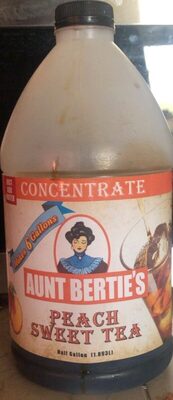 Legacy Family Foods, Inc.
Peach Sweet Tea Concentrate, Peach Sweet
233kcal
0Protein
0Fat
53.3Carbs
Legacy Family Foods, Inc.
Peach Sweet Tea Concentrate, Peach Sweet
233kcal
0Protein
0Fat
53.3Carbs
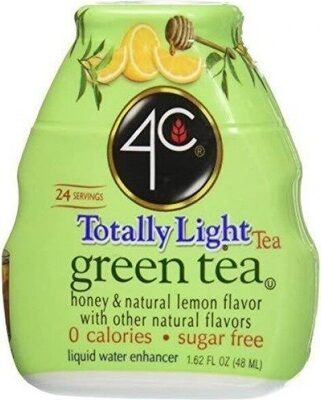 4C Foods Corp.
Honey & Natural Lemon Flavor Green Tea Liquid Water Enhancer, Honey; Lemon
0kcal
0Protein
0Fat
0Carbs
Save Mart Supermarkets Inc.
Lite Pancake Syrup, Lite
High in added sugars — 26% DV per serving
167kcal
0Protein
0Fat
46.7Carbs
4C Foods Corp.
Honey & Natural Lemon Flavor Green Tea Liquid Water Enhancer, Honey; Lemon
0kcal
0Protein
0Fat
0Carbs
Save Mart Supermarkets Inc.
Lite Pancake Syrup, Lite
High in added sugars — 26% DV per serving
167kcal
0Protein
0Fat
46.7Carbs
Learn more
Auto-generated content. This description was generated automatically and is pending editorial review. Inaccuracies are possible. Found a mistake? Contact us.