Caramel Drops
What is Caramel Drops?
Caramel drops are small, hard pieces of caramel candy. They are made by heating sugar, butter, and cream until they form a thick, sweet mixture. This mixture is then cooled and cut or dropped into small shapes.
Is Caramel Drops vegan?
No. Caramel Drops is animal-derived, so it is not vegan.
Is Caramel Drops gluten-free?
They do not contain gluten.
Is Caramel Drops a major allergen?
Caramel drops are not derived from any of the nine major allergens.
What is Caramel Drops used for?
Caramel drops are primarily used as a confectionary ingredient and for decoration.
Is Caramel Drops safe?
Caramel coloring is generally recognized as safe (GRAS) by the FDA when used as a food additive.
Why it's used
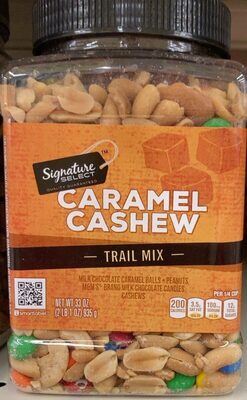
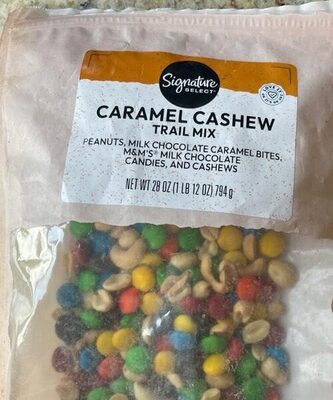
Caramel drops are primarily used as a confectionary ingredient and for decoration. They add a sweet, buttery flavor and a chewy or hard texture to foods. They are often found in baked goods, candies, trail mixes, and as toppings for desserts.
Health notes
Caramel coloring is generally recognized as safe (GRAS) by the FDA when used as a food additive. It is made by heating carbohydrates and is used to give food a brown color. International bodies like JECFA and EFSA have also evaluated caramel coloring. Some studies have raised questions about certain compounds that can be formed during caramelization, but regulatory bodies consider it safe at typical consumption levels.
Allergen info
Caramel drops are not derived from any of the nine major allergens. They do not contain gluten.
Foods that contain Caramel Drops
Compare products →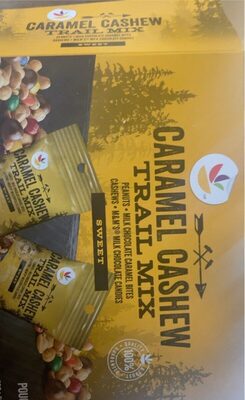
Learn more
Auto-generated content. This description was generated automatically and is pending editorial review. Inaccuracies are possible. Found a mistake? Contact us.