Caramelized Onion Puree
Auto-generated content. This description was generated automatically and is pending editorial review. Inaccuracies are possible. Found a mistake? Contact us.
What it is
Caramelized onion puree is made by slowly cooking onions at low temperatures until their natural sugars caramelize, giving them a deep brown color and sweet, rich flavor. This process breaks down complex carbohydrates into simpler sugars. The cooked onions are then pureed into a smooth paste.
Why it's used
Manufacturers use caramelized onion puree primarily to add a sweet, savory, and complex flavor to foods. It can also contribute a brownish color. It is often found in salad dressings, sauces, dips, soups, and savory baked goods.
Health notes
Caramelized onion puree is generally recognized as safe (GRAS) by the FDA when used as a food ingredient. It is a source of natural sugars and fiber from the onion. Regulatory bodies like JECFA and EFSA have evaluated onions and their components. No significant health concerns are associated with consuming caramelized onion puree at typical dietary levels.
Allergen info
Caramelized onion puree is not derived from any of the FDA's 9 major allergens. It is also gluten-free.
Products containing Caramelized Onion Puree
Compare products →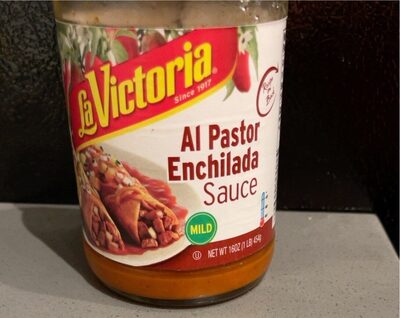 La Victoria Foods Inc.
Mild Al Pastor Enchilada Sauce, Mild Al Pastor Enchilada
117kcal
0Protein
6.7Fat
11.7Carbs
La Victoria Foods Inc.
Mild Al Pastor Enchilada Sauce, Mild Al Pastor Enchilada
117kcal
0Protein
6.7Fat
11.7Carbs
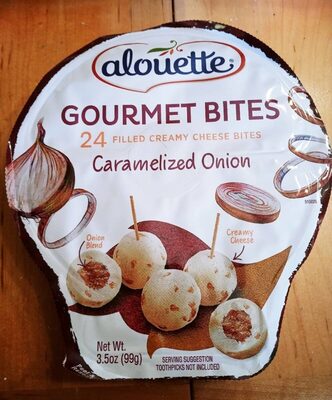 Savencia Cheese USA LLC
Caramelized Onion Gourmet Bites
High in saturated fat — 25% DV per serving
300kcal
3.3Protein
26.7Fat
6.7Carbs
Savencia Cheese USA LLC
Caramelized Onion Gourmet Bites
High in saturated fat — 25% DV per serving
300kcal
3.3Protein
26.7Fat
6.7Carbs
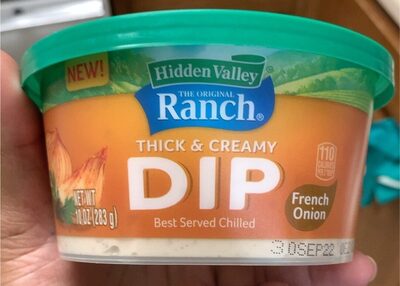 The Hvr Company
French Onion Dip, French Onion
367kcal
0Protein
36.7Fat
10Carbs
Mies Products Inc
Italian Sausage & Onion Ravioli Cremini Mushroom & Cheese Sauce, Italian Sausage & Onion Ravioli
High in sodium — 41% DV per serving
High in saturated fat — 80% DV per serving
High in cholesterol — 47% DV per serving
221kcal
7.7Protein
13.2Fat
18.3Carbs
The Hvr Company
French Onion Dip, French Onion
367kcal
0Protein
36.7Fat
10Carbs
Mies Products Inc
Italian Sausage & Onion Ravioli Cremini Mushroom & Cheese Sauce, Italian Sausage & Onion Ravioli
High in sodium — 41% DV per serving
High in saturated fat — 80% DV per serving
High in cholesterol — 47% DV per serving
221kcal
7.7Protein
13.2Fat
18.3Carbs