Vinegar
What is Vinegar?
Vinegar is a liquid made from the fermentation of ethanol (alcohol) into acetic acid by acetic acid bacteria. It can be produced from various sources, including fruits, grains, or wine, with the specific source often giving it distinct flavors.
Is Vinegar vegan?
Vinegar is not animal-derived. Products that contain it can still include other animal-derived ingredients, so check the full ingredient list.
Is Vinegar a major allergen?
Not a major allergen.
What is Vinegar used for?
Manufacturers add vinegar primarily for its tangy flavor and as an acidity regulator.
Is Vinegar safe?
In the United States, vinegar is generally recognized as safe (GRAS) by the FDA for its intended uses.
Why it's used
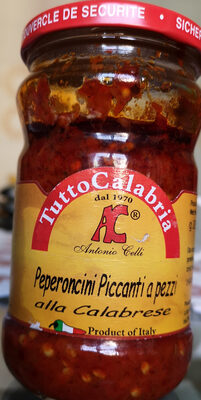
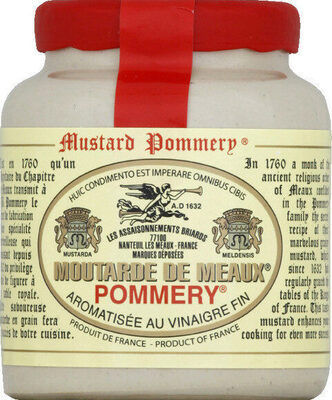
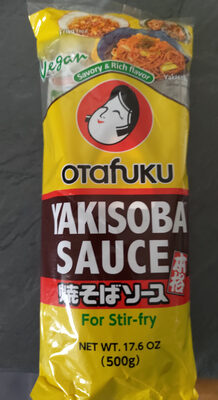
Manufacturers add vinegar primarily for its tangy flavor and as an acidity regulator. Its acidic nature also helps preserve foods by inhibiting the growth of certain microorganisms. It is commonly found in dressings, marinades, pickles, sauces, and condiments like ketchup and mustard.
Health notes
In the United States, vinegar is generally recognized as safe (GRAS) by the FDA for its intended uses. When consumed as part of a typical diet, it is not associated with adverse health effects. The Joint FAO/WHO Expert Committee on Food Additives (JECFA) has evaluated acetic acid, the main component of vinegar, and did not set a numeric acceptable daily intake (ADI not specified), indicating that its use as a food ingredient is not considered a safety concern at current levels. There are no notable controversies regarding its safety as a food ingredient.
Allergen info
Not a major allergen.
Foods that contain Vinegar
Compare products →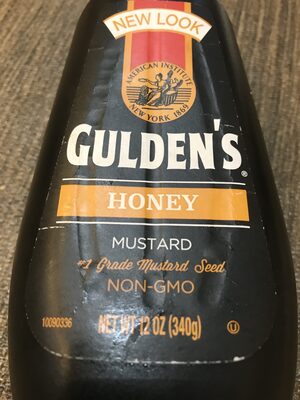

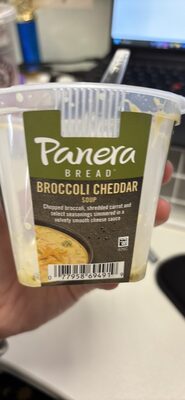
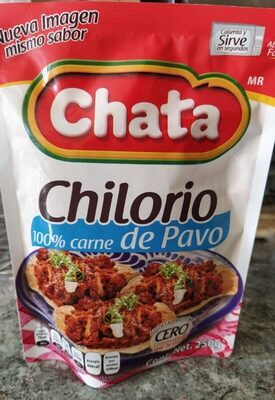
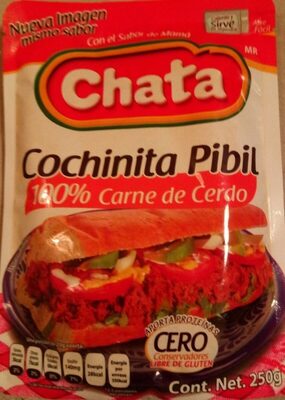
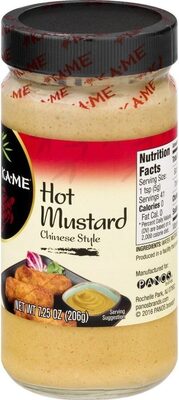

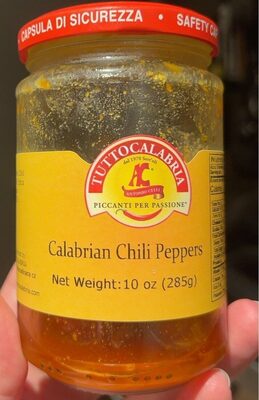

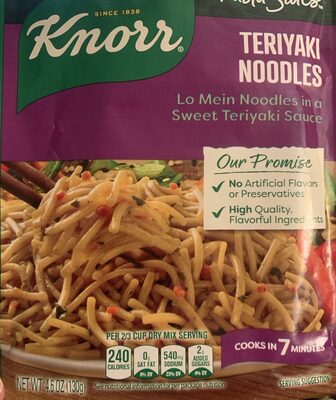
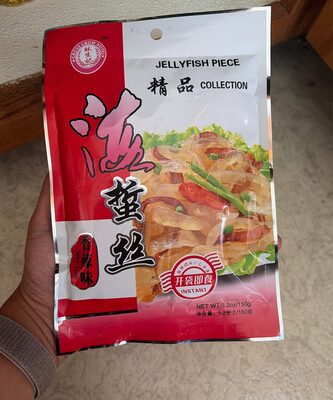



Auto-generated content. This description was generated automatically and is pending editorial review. Inaccuracies are possible. Found a mistake? Contact us.