Caranauba Wax
Auto-generated content. This description was generated automatically and is pending editorial review. Inaccuracies are possible. Found a mistake? Contact us.
What it is
Carnauba wax is a hard, brittle wax produced from the leaves of the carnauba palm tree, native to Brazil. The leaves are dried, threshed to loosen the wax, and then the wax is melted, filtered, and purified.
Why it's used
Manufacturers use carnauba wax as a glazing or polishing agent to give foods a shiny appearance and to prevent sticking. It is often found in confectionery, such as candies and chocolate coatings, as well as in baked goods and popcorn.
Health notes
In the U.S., carnauba wax is generally recognized as safe (GRAS) by the FDA for use as a food additive. It is not absorbed by the body and passes through undigested. International bodies like JECFA have evaluated carnauba wax, and EFSA has also assessed its safety. No significant health concerns are associated with its typical use in foods.
Allergen info
Carnauba wax is not derived from any of the nine FDA major allergens. It does not contain gluten.
Products containing Caranauba Wax
Compare products →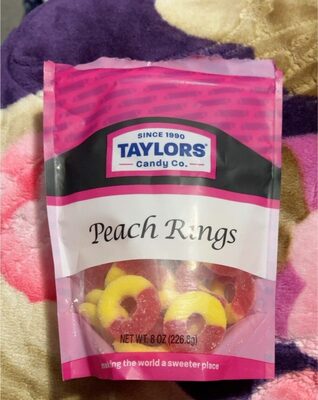 Taylors Candy Inc.
Peach Rings, Peach
High in added sugars — 30% DV per serving
300kcal
3.3Protein
0Fat
73.3Carbs
Target Stores
Dipped Chocolate Sandwich Cookies, Dipped Chocolate
High in added sugars — 26% DV per serving
464kcal
3.6Protein
25Fat
67.9Carbs
Taylors Candy Inc.
Peach Rings, Peach
High in added sugars — 30% DV per serving
300kcal
3.3Protein
0Fat
73.3Carbs
Target Stores
Dipped Chocolate Sandwich Cookies, Dipped Chocolate
High in added sugars — 26% DV per serving
464kcal
3.6Protein
25Fat
67.9Carbs