Confectioner's Glaze
What is Confectioner's Glaze?
Confectioner's glaze is a coating applied to foods to give them a shiny finish and protect them. It is made from shellac, a resin secreted by the female lac bug (Laccifer lacca) found in forests in India and Thailand. The resin is collected, processed, and dissolved in alcohol to create the glaze.
Is Confectioner's Glaze vegan?
No. Confectioner's Glaze is animal-derived, so it is not vegan.
Is Confectioner's Glaze a major allergen?
Not a major allergen.
What is Confectioner's Glaze used for?
Manufacturers add confectioner's glaze to products to provide a glossy appearance, prevent moisture loss, and keep items from sticking together.
Is Confectioner's Glaze safe?
In the United States, confectioner's glaze (shellac) is permitted by the FDA for use in food.
Why it's used
Manufacturers add confectioner's glaze to products to provide a glossy appearance, prevent moisture loss, and keep items from sticking together. It is commonly found on candies, chocolates, coffee beans, and some baked goods. It also helps extend the shelf life of these products.
Health notes
In the United States, confectioner's glaze (shellac) is permitted by the FDA for use in food. It is generally considered safe for consumption. JECFA (the Joint FAO/WHO Expert Committee on Food Additives) has evaluated shellac and determined that a numeric acceptable daily intake (ADI) is not specified, indicating very low toxicity. EFSA (the European Food Safety Authority) has also evaluated shellac and concluded it is safe for use as a food additive.
Allergen info
Not a major allergen.
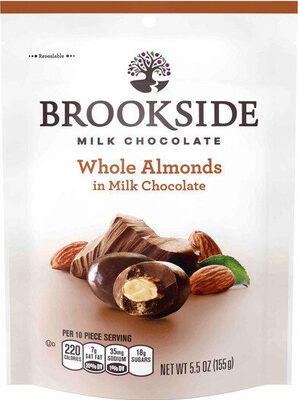
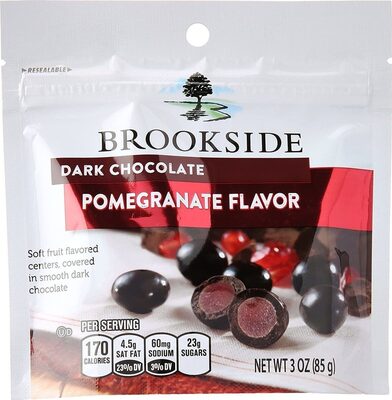
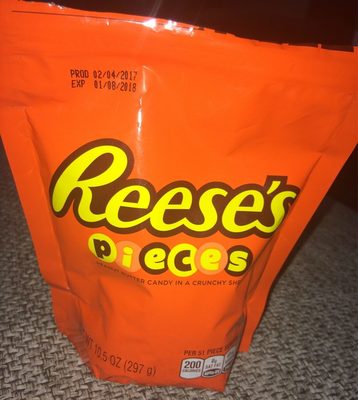
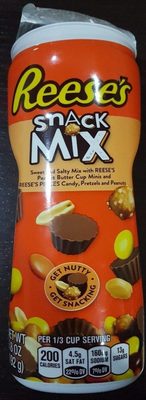
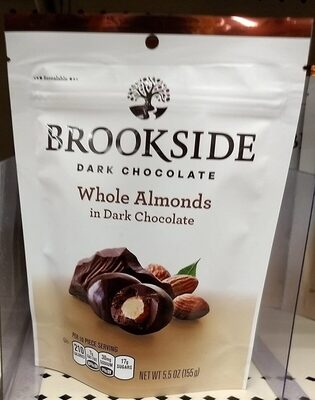
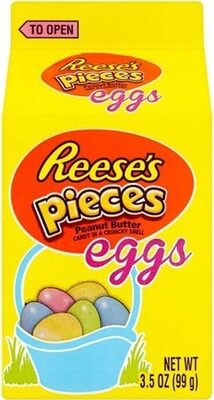
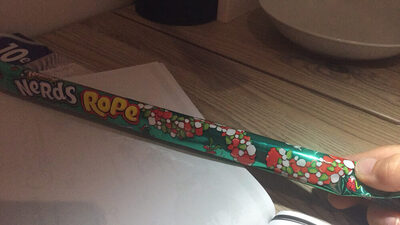
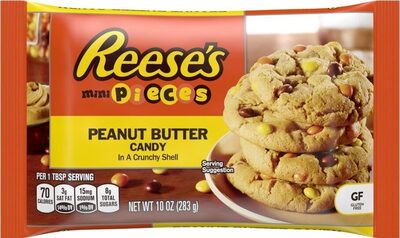
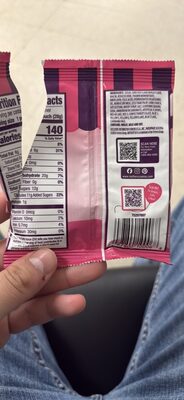
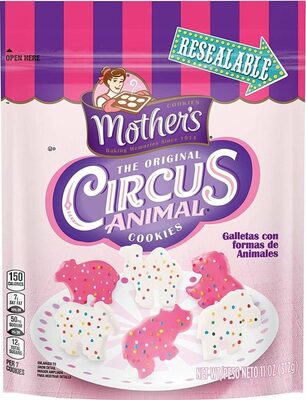
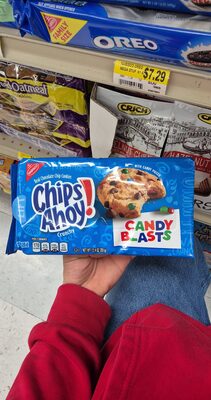
Foods that contain Confectioner's Glaze
Compare products →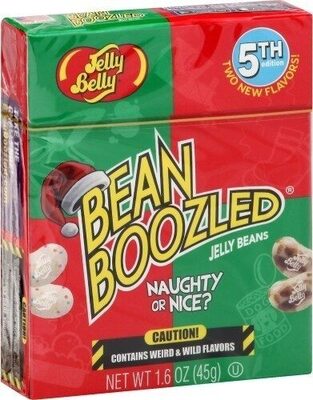
 General Mills Sales
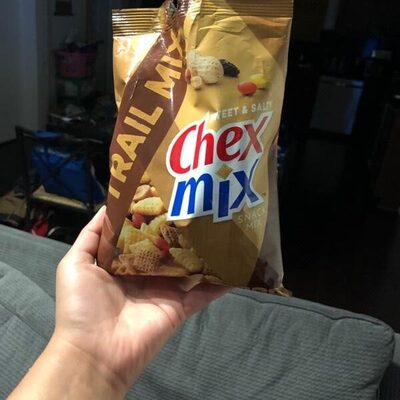
Chex Mix Sweet 'N Salty Trail Mix Snack Mix
429kcal
5.7Protein
14.3Fat
71.4Carbs

Auto-generated content. This description was generated automatically and is pending editorial review. Inaccuracies are possible. Found a mistake? Contact us.