Caraway Powder
What is Caraway Powder?
Caraway powder is made from the dried seeds of the caraway plant, a herb in the parsley family. The seeds have a distinctive anise-like flavor and aroma. They are typically harvested and then dried before being ground into a powder.
Is Caraway Powder vegan?
Caraway Powder is not animal-derived. Products that contain it can still include other animal-derived ingredients, so check the full ingredient list.
Is Caraway Powder gluten-free?
It does not contain gluten.
Is Caraway Powder a major allergen?
Caraway is not one of the nine major FDA allergens.
What is Caraway Powder used for?
Caraway powder is primarily used as a spice to add a unique flavor to foods.
Is Caraway Powder safe?
Caraway is generally recognized as safe (GRAS) by the FDA for use as a food flavoring.
Why it's used
Caraway powder is primarily used as a spice to add a unique flavor to foods. It is often found in baked goods like rye bread, as well as in savory dishes such as stews, sausages, and sauerkraut. Manufacturers use it to enhance the taste and aroma profile of various food products.
Health notes
Caraway is generally recognized as safe (GRAS) by the FDA for use as a food flavoring. Both the Joint FAO/WHO Expert Committee on Food Additives (JECFA) and the European Food Safety Authority (EFSA) have evaluated caraway and its extracts. While generally considered safe in amounts typically used in food, some studies suggest caraway may have digestive benefits. There are no major widespread controversies regarding its use as a food ingredient.
Allergen info
Caraway is not one of the nine major FDA allergens. It does not contain gluten.
Foods that contain Caraway Powder
Compare products →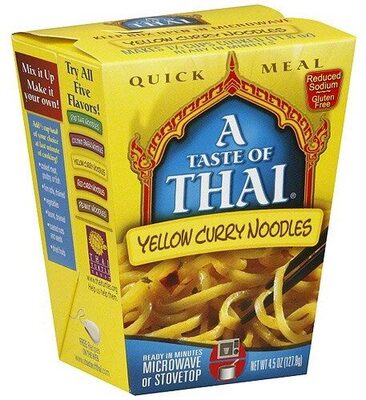 Andre Prost Inc.
A Taste Of Thai, Quick Meal Yellow Curry Noodles
High in saturated fat — 20% DV per serving
391kcal
5.5Protein
9.4Fat
70.3Carbs
Andre Prost Inc.
A Taste Of Thai, Quick Meal Yellow Curry Noodles
High in saturated fat — 20% DV per serving
391kcal
5.5Protein
9.4Fat
70.3Carbs
 Andre Prost Inc.
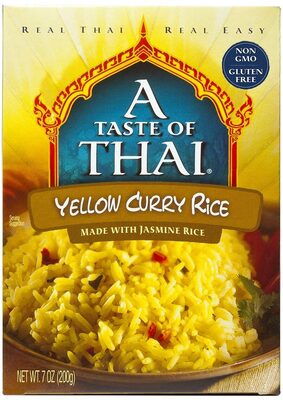
Yellow Curry Rice, Yellow Curry
High in sodium — 27% DV per serving
360kcal
8Protein
3Fat
74Carbs
Andre Prost Inc.
Yellow Curry Rice, Yellow Curry
High in sodium — 27% DV per serving
360kcal
8Protein
3Fat
74Carbs
 Andre Prost Inc.
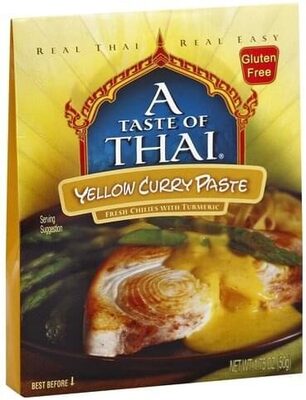
A Taste Of Thai, Yellow Curry Paste
83kcal
0Protein
0Fat
16.7Carbs
Andre Prost Inc.
A Taste Of Thai, Yellow Curry Paste
83kcal
0Protein
0Fat
16.7Carbs
 Target Stores
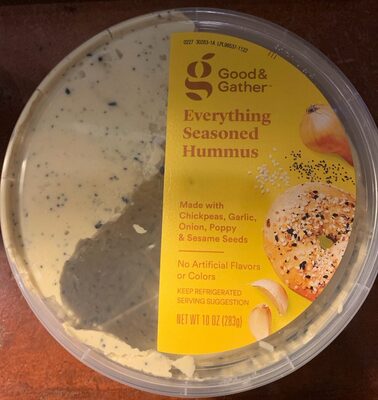
Everything Seasoned Hummus, Everything Seasoned
267kcal
6.7Protein
16.7Fat
16.7Carbs
Target Stores
Everything Seasoned Hummus, Everything Seasoned
267kcal
6.7Protein
16.7Fat
16.7Carbs
Learn more
Auto-generated content. This description was generated automatically and is pending editorial review. Inaccuracies are possible. Found a mistake? Contact us.