Carbonated Crystals
Auto-generated content. This description was generated automatically and is pending editorial review. Inaccuracies are possible. Found a mistake? Contact us.
What it is
Carbonated crystals are small pieces of candy, typically made from sugar, corn syrup, and other ingredients, that have carbon dioxide gas trapped inside them. When these crystals come into contact with moisture, such as saliva in the mouth, the gas is released, creating a fizzy or popping sensation. They are made by heating sugar and other ingredients, then exposing the mixture to high-pressure carbon dioxide, which becomes embedded as the mixture cools and solidifies.
Why it's used
Manufacturers add carbonated crystals to foods primarily to provide a unique sensory experience, characterized by a popping or fizzing sensation, along with a sweet taste. They are commonly found in candies, cereals, and chewing gum to add an element of fun and novelty.
Health notes
Carbonated crystals are primarily composed of sugar and other common food ingredients. Carbon dioxide, a component of these crystals, is generally recognized as safe (GRAS) by the FDA. The main health consideration relates to their sugar content; the 2025-2030 Dietary Guidelines for Americans recommend no amount of added sugars, and at most 10 grams of added sugars per meal. JECFA has evaluated carbon dioxide and established an acceptable daily intake, while sugar is a basic food component and not evaluated as an additive. There are no specific controversies regarding carbonated crystals themselves.
Allergen info
Not a major allergen.
Products containing Carbonated Crystals
Compare products →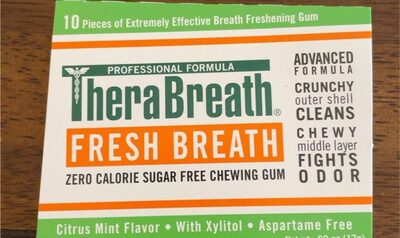 Dr. Harold Katz LLC
Professional Formula Sugar Free Fresh Breath Chewing Gum, Citrus Mint, Citrus Mint
471kcal
0Protein
0Fat
118Carbs
G. Debbas Chocolatier, Inc.
Lemon Lime Flavored Chocolate Bites, Lemon Lime
High in saturated fat — 55% DV per serving
544kcal
5.3Protein
31.6Fat
59.6Carbs
Dr. Harold Katz LLC
Professional Formula Sugar Free Fresh Breath Chewing Gum, Citrus Mint, Citrus Mint
471kcal
0Protein
0Fat
118Carbs
G. Debbas Chocolatier, Inc.
Lemon Lime Flavored Chocolate Bites, Lemon Lime
High in saturated fat — 55% DV per serving
544kcal
5.3Protein
31.6Fat
59.6Carbs