Carolina Reaper
What is Carolina Reaper?
The Carolina Reaper is a cultivar of the chili pepper plant, Capsicum chinense. It is one of the hottest chili peppers in the world, measuring over 1.5 million Scoville Heat Units (SHU). It was developed in South Carolina by crossing a Ghost Pepper with a Habanero pepper.
Is Carolina Reaper vegan?
Carolina Reaper is not animal-derived. Products that contain it can still include other animal-derived ingredients, so check the full ingredient list.
Is Carolina Reaper gluten-free?
It does not contain gluten.
Is Carolina Reaper a major allergen?
The Carolina Reaper is not derived from any of the 9 FDA major allergens.
What is Carolina Reaper used for?
The Carolina Reaper is primarily used as a spice to add intense heat and a fruity flavor to foods.
Is Carolina Reaper safe?
The U.S. Food and Drug Administration (FDA) has not specifically evaluated the Carolina Reaper as a food additive.
Why it's used
The Carolina Reaper is primarily used as a spice to add intense heat and a fruity flavor to foods. Manufacturers add it to hot sauces, salsas, marinades, and other savory products where extreme spiciness is desired. It is also used in small amounts in some snack foods and seasonings.
Health notes
The U.S. Food and Drug Administration (FDA) has not specifically evaluated the Carolina Reaper as a food additive. However, chili peppers, including the Carolina Reaper, are generally recognized as safe (GRAS) for use as a spice. The capsaicin in chili peppers can cause digestive upset in some individuals, especially at high doses. The European Food Safety Authority (EFSA) has evaluated capsaicinoids and found them to be safe when used as a flavoring agent. There are no widespread controversies regarding the safety of consuming Carolina Reapers in typical amounts as a spice.
Allergen info
The Carolina Reaper is not derived from any of the 9 FDA major allergens. It does not contain gluten.
Foods that contain Carolina Reaper
Compare products →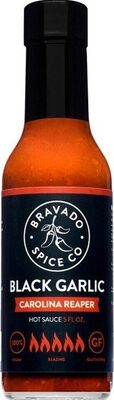
Learn more
Auto-generated content. This description was generated automatically and is pending editorial review. Inaccuracies are possible. Found a mistake? Contact us.