Carrot1
What is Carrot1?
Carrot1 is a natural color additive derived from carrots. It is produced by extracting carotenoids, the pigments that give carrots their orange color, from the root vegetable. These extracts are then processed to create a stable colorant for food use.
Is Carrot1 vegan?
Carrot1 is not animal-derived. Products that contain it can still include other animal-derived ingredients, so check the full ingredient list.
Is Carrot1 gluten-free?
It does not contain gluten.
Is Carrot1 a major allergen?
Carrot1 is derived from carrots, which are not among the FDA's nine major allergens.
What is Carrot1 used for?
Carrot1 is used to impart a yellow to orange color in foods.
Is Carrot1 safe?
Carrot1 is generally recognized as safe (GRAS) by the FDA for use as a food colorant.
Why it's used
Carrot1 is used to impart a yellow to orange color in foods. Manufacturers add it to products where a natural color source is desired, such as in dairy products, baked goods, beverages, and confectionery. It provides a vibrant and appealing hue without artificial ingredients.
Health notes
Carrot1 is generally recognized as safe (GRAS) by the FDA for use as a food colorant. It is a source of beta-carotene, which the body converts to vitamin A. Regulatory bodies like JECFA and EFSA have evaluated carotenoids and their use in food. At typical consumption levels, it is considered safe and contributes to nutrient intake.
Allergen info
Carrot1 is derived from carrots, which are not among the FDA's nine major allergens. It does not contain gluten.
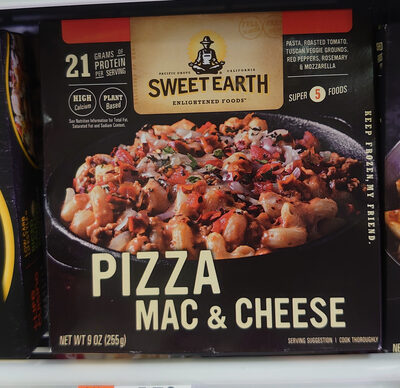
Foods that contain Carrot1
Compare products →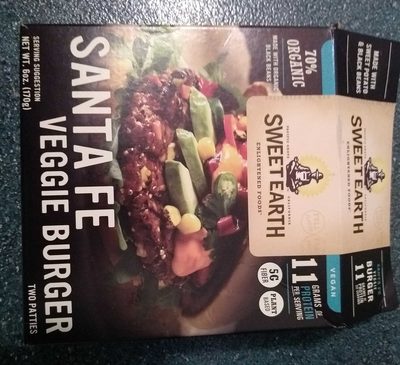
Learn more
Auto-generated content. This description was generated automatically and is pending editorial review. Inaccuracies are possible. Found a mistake? Contact us.