Carrots And Peas
What is Carrots And Peas?
Carrots and peas are common vegetables. Carrots are root vegetables, and peas are legumes. Both are typically harvested and then often frozen or canned to preserve freshness and nutrients for later use.
Is Carrots And Peas vegan?
Carrots And Peas is not animal-derived. Products that contain it can still include other animal-derived ingredients, so check the full ingredient list.
Is Carrots And Peas gluten-free?
They do not contain gluten.
Is Carrots And Peas a major allergen?
Carrots and peas are not among the 9 major allergens identified by the FDA.
What is Carrots And Peas used for?
Carrots and peas are added to packaged foods for flavor, color, and texture.
Is Carrots And Peas safe?
Carrots and peas are generally recognized as safe (GRAS) by the FDA as food ingredients.
Why it's used
Carrots and peas are added to packaged foods for flavor, color, and texture. They are frequently found in frozen meals, side dishes, pasta dinners, and canned soups, providing a source of vitamins and fiber.
Health notes
Carrots and peas are generally recognized as safe (GRAS) by the FDA as food ingredients. They are a good source of vitamins, minerals, and fiber. Regulatory bodies like EFSA and JECFA have evaluated many food ingredients, but specific evaluations for the combination of carrots and peas as a single ingredient are not typically noted. They are considered wholesome foods when consumed as part of a balanced diet.
Allergen info
Carrots and peas are not among the 9 major allergens identified by the FDA. They do not contain gluten.
Foods that contain Carrots And Peas
Compare products →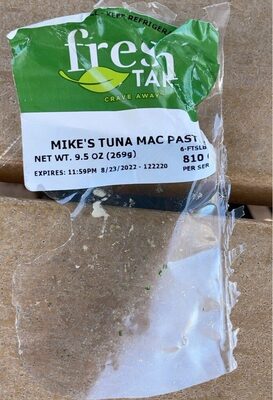
Auto-generated content. This description was generated automatically and is pending editorial review. Inaccuracies are possible. Found a mistake? Contact us.