Certified Food Colors
Auto-generated content. This description was generated automatically and is pending editorial review. Inaccuracies are possible. Found a mistake? Contact us.
What it is
Certified food colors are synthetic dyes, typically derived from petroleum, that are added to foods to enhance their visual appeal. These colors are manufactured to be chemically pure and consistent, providing vibrant and stable hues. Examples include Red 40, Yellow 5, and Blue 1.
Why it's used
Manufacturers add certified food colors to make products more attractive and to compensate for color loss during processing or storage. They are commonly found in confectionery, baked goods, beverages, and snacks, such as cookies, ice cream, and popcorn.
Health notes
In the United States, certified food colors are approved by the FDA as color additives. The FDA revoked the approval for Red 3 for food use in January 2025, with manufacturers having until January 2027 to comply. In April 2025, the FDA announced a plan to phase out other petroleum-based synthetic dyes, including Red 40, Yellow 5, Yellow 6, Blue 1, Blue 2, Green 3, Citrus Red 2, and Orange B. Some studies have explored a potential link between certain synthetic food colors and hyperactivity in some children, though evidence has been mixed. JECFA has evaluated many individual food colors and set acceptable daily intakes for them.
Allergen info
Certified food colors are synthetic and not derived from any of the nine major FDA allergens.
Products containing Certified Food Colors
Compare products →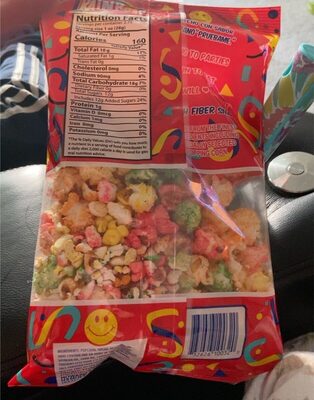 International Provisions, Inc.
Kettle Corn Sweet N Salty Popcorn, Sweet N Salty
High in added sugars — 24% DV per serving
571kcal
3.6Protein
35.7Fat
64.3Carbs
Sotto I Trulli, Inc.
Holiday Cookie Collection, Holiday
474kcal
5.3Protein
23.7Fat
52.6Carbs
International Provisions, Inc.
Kettle Corn Sweet N Salty Popcorn, Sweet N Salty
High in added sugars — 24% DV per serving
571kcal
3.6Protein
35.7Fat
64.3Carbs
Sotto I Trulli, Inc.
Holiday Cookie Collection, Holiday
474kcal
5.3Protein
23.7Fat
52.6Carbs