Certified Organic Carrots
What is Certified Organic Carrots?
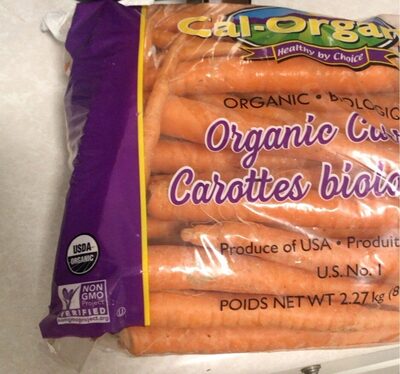
Certified organic carrots are the taproots of the carrot plant, Daucus carota subsp. sativus. They are grown and processed according to organic farming standards, which prohibit the use of most synthetic pesticides, fertilizers, and genetically modified organisms. Carrots are typically harvested, washed, and sometimes peeled or cut before packaging.
Is Certified Organic Carrots vegan?
Certified Organic Carrots is not animal-derived. Products that contain it can still include other animal-derived ingredients, so check the full ingredient list.
Is Certified Organic Carrots a major allergen?
Not a major allergen.
What is Certified Organic Carrots used for?
Carrots are widely used as a vegetable ingredient in various food products.
Is Certified Organic Carrots safe?
Carrots are a whole food and are generally recognized as safe for consumption.
Why it's used
Carrots are widely used as a vegetable ingredient in various food products. They contribute natural sweetness, earthy flavor, and a crisp or tender texture, depending on preparation. Manufacturers add them to salads, soups, stews, juices, and baby foods for their nutritional value and sensory qualities.
Health notes
Carrots are a whole food and are generally recognized as safe for consumption. They are a good source of vitamins, minerals, and dietary fiber. The FDA considers carrots a healthy food. There are no known health controversies associated with the consumption of carrots at typical intake levels.
Allergen info
Not a major allergen.
Foods that contain Certified Organic Carrots
Compare products →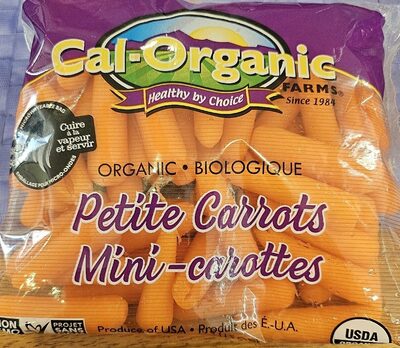
Auto-generated content. This description was generated automatically and is pending editorial review. Inaccuracies are possible. Found a mistake? Contact us.