Cherry Halves
What is Cherry Halves?
Cherry halves are typically produced from whole cherries that have been pitted and cut in half. They are often packed in syrup or juice to preserve their texture and flavor. Cherries are stone fruits grown on trees.
Is Cherry Halves vegan?
Cherry Halves is not animal-derived. Products that contain it can still include other animal-derived ingredients, so check the full ingredient list.
Is Cherry Halves gluten-free?
They do not contain gluten.
Is Cherry Halves a major allergen?
Cherries are not one of the nine major allergens identified by the FDA.
What is Cherry Halves used for?
Manufacturers use cherry halves primarily for their sweet taste and fruit flavor.
Is Cherry Halves safe?
Cherry halves are considered a food ingredient and are generally recognized as safe (GRAS) by the FDA when used as intended.
Why it's used
Manufacturers use cherry halves primarily for their sweet taste and fruit flavor. They are commonly found in canned fruit mixes, ice cream, yogurt, baked goods like cookies and pies, and as a topping for desserts.
Health notes
Cherry halves are considered a food ingredient and are generally recognized as safe (GRAS) by the FDA when used as intended. They provide natural sugars and some vitamins and fiber. Regulatory bodies like JECFA and EFSA have evaluated cherries and their components. Evidence does not suggest significant health concerns at typical consumption levels.
Allergen info
Cherries are not one of the nine major allergens identified by the FDA. They do not contain gluten.
Foods that contain Cherry Halves
Compare products →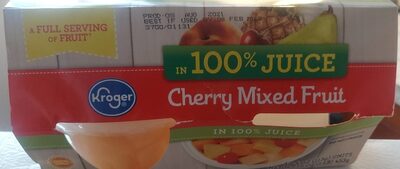
Auto-generated content. This description was generated automatically and is pending editorial review. Inaccuracies are possible. Found a mistake? Contact us.