Cherry Juice
What is Cherry Juice?
Cherry juice is the liquid extracted from cherries, a stone fruit grown on trees. The juice is typically made by crushing and pressing ripe cherries. It can be used as a flavoring or coloring agent in foods and beverages.
Is Cherry Juice vegan?
Cherry Juice is not animal-derived. Products that contain it can still include other animal-derived ingredients, so check the full ingredient list.
Is Cherry Juice gluten-free?
It does not contain gluten.
Is Cherry Juice a major allergen?
Cherry juice is not derived from any of the FDA's nine major allergens.
What is Cherry Juice used for?
Manufacturers use cherry juice for its natural fruit flavor and red color.
Is Cherry Juice safe?
Cherry juice is generally recognized as safe (GRAS) by the FDA for use in food.
Why it's used
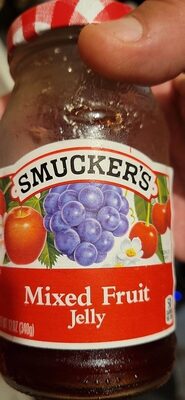
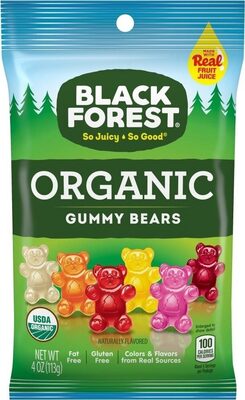
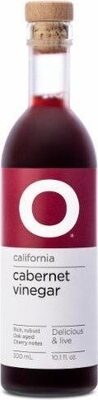
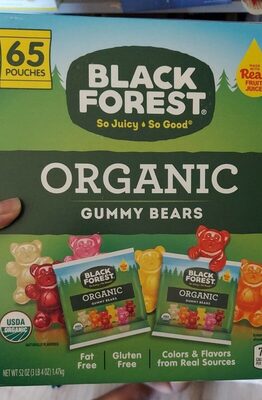
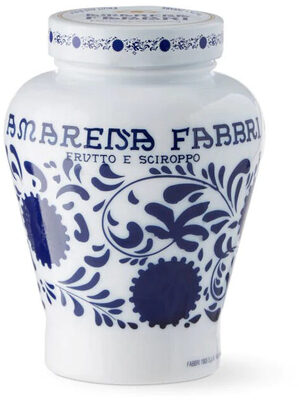
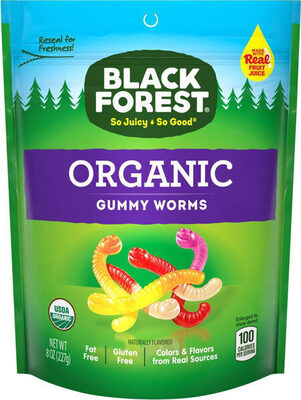
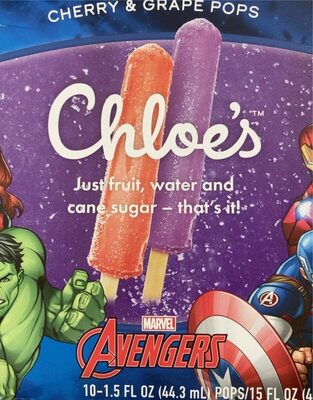
Manufacturers use cherry juice for its natural fruit flavor and red color. It is commonly found in candies, ice cream, yogurt, jams, jellies, and fruit-flavored beverages. It can also be used in salad dressings and baked goods like waffles.
Health notes
Cherry juice is generally recognized as safe (GRAS) by the FDA for use in food. It is a source of vitamins and antioxidants. Some studies suggest that tart cherry juice may help reduce inflammation and muscle soreness after exercise, but more research is needed to confirm these effects. JECFA has evaluated cherry juice and established an acceptable daily intake. EFSA has also evaluated cherry juice and did not set a numeric limit.
Allergen info
Cherry juice is not derived from any of the FDA's nine major allergens. It does not contain gluten.
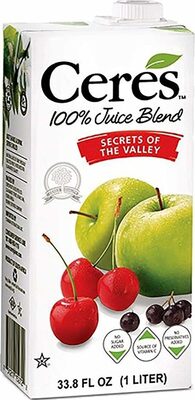
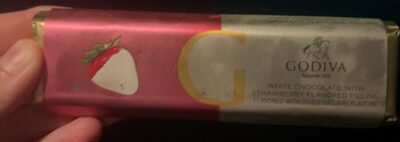
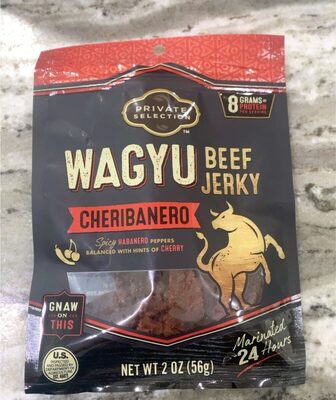
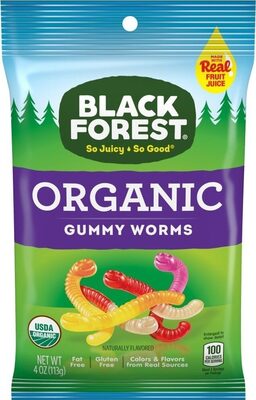
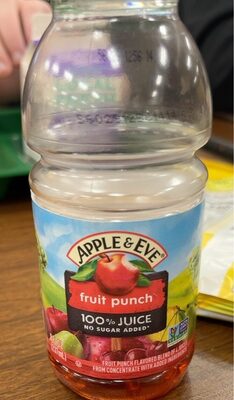
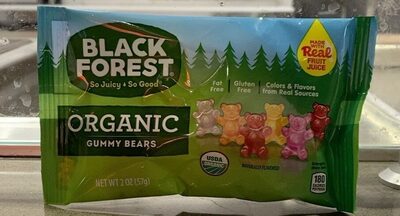
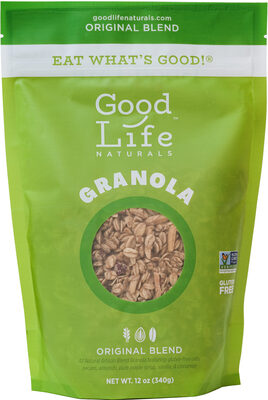
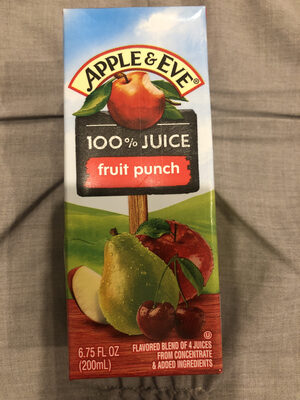
Foods that contain Cherry Juice
Compare products →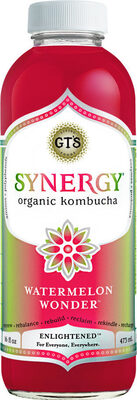

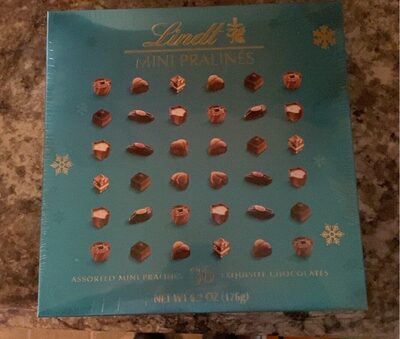
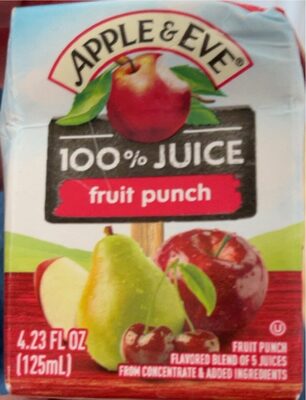
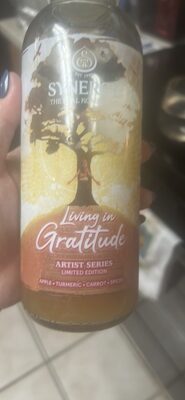
Auto-generated content. This description was generated automatically and is pending editorial review. Inaccuracies are possible. Found a mistake? Contact us.