Chianti Wine
What is Chianti Wine?
Chianti is a type of red wine that originated in the Tuscany region of Italy. It is made primarily from the Sangiovese grape, and is known for its dry, tart, and fruity flavor profile. Chianti wines are typically aged in barrels before bottling.
Is Chianti Wine gluten-free?
It does not contain gluten.
Is Chianti Wine a major allergen?
Wine is not derived from any of the nine major allergens.
What is Chianti Wine used for?
In food production, Chianti wine is primarily used as a flavoring agent, adding a distinct wine note to savory dishes.
Is Chianti Wine safe?
The U.S. Food and Drug Administration (FDA) recognizes wine as a food ingredient.
Why it's used
In food production, Chianti wine is primarily used as a flavoring agent, adding a distinct wine note to savory dishes. It is often found in pasta sauces, marinades, and braised meats, where its acidity and tannins can also contribute to tenderizing the food.
Health notes
The U.S. Food and Drug Administration (FDA) recognizes wine as a food ingredient. The Joint FAO/WHO Expert Committee on Food Additives (JECFA) has evaluated wine and its components. Moderate alcohol consumption is associated with certain health outcomes, but excessive alcohol intake carries significant health risks. Evidence on the health effects of moderate wine consumption is mixed, with some studies suggesting potential benefits and others highlighting risks.
Allergen info
Wine is not derived from any of the nine major allergens. It does not contain gluten.
Foods that contain Chianti Wine
Compare products →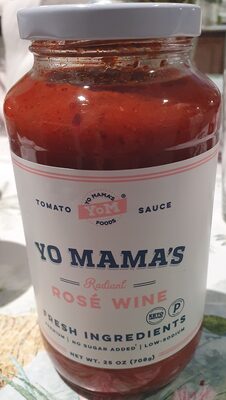
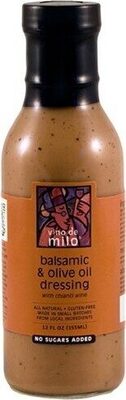
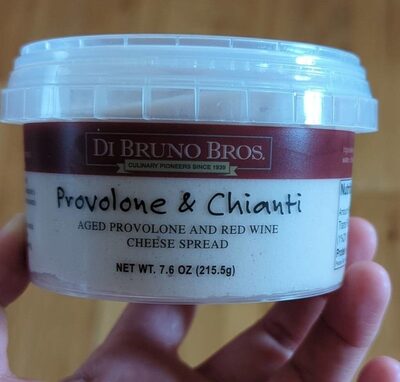
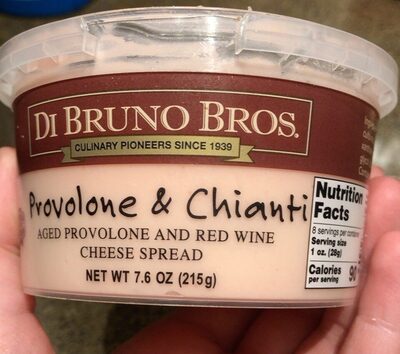
Learn more
Auto-generated content. This description was generated automatically and is pending editorial review. Inaccuracies are possible. Found a mistake? Contact us.