China Cassia
What is China Cassia?
China Cassia is a spice derived from the bark of trees in the Cinnamomum genus, native to Southeast Asia. The bark is harvested, dried, and often ground into a powder. It has a warm, sweet, and slightly bitter flavor.
Is China Cassia vegan?
China Cassia is not animal-derived. Products that contain it can still include other animal-derived ingredients, so check the full ingredient list.
Is China Cassia gluten-free?
It does not contain gluten.
Is China Cassia a major allergen?
Not a major allergen.
What is China Cassia used for?
Manufacturers add China Cassia primarily for its distinct flavor and aroma.
Is China Cassia safe?
China Cassia is generally recognized as safe (GRAS) by the FDA when used as a food ingredient.
Why it's used
Manufacturers add China Cassia primarily for its distinct flavor and aroma. It is commonly used in spice blends, baked goods, desserts, and savory dishes. It can also be used as a flavoring agent in beverages and chewing gum.
Health notes
China Cassia is generally recognized as safe (GRAS) by the FDA when used as a food ingredient. It contains coumarin, a compound that can be harmful in very large amounts. The European Food Safety Authority (EFSA) has established guidance on coumarin intake due to potential liver effects. JECFA has also evaluated cassia and set guidance on coumarin levels. Typical consumption in food is unlikely to cause adverse effects.
Allergen info
Not a major allergen. It is not derived from any of the 9 FDA major allergens. It does not contain gluten.
Foods that contain China Cassia
Compare products →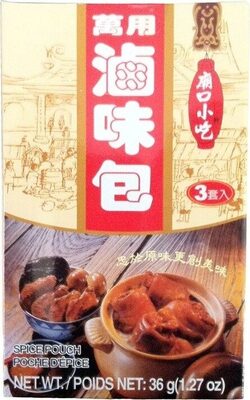
Learn more
Auto-generated content. This description was generated automatically and is pending editorial review. Inaccuracies are possible. Found a mistake? Contact us.