Chocolate Swirl
What is Chocolate Swirl?
Chocolate swirl is a mixture of chocolate, sugar, and often other ingredients like oil or cocoa powder. It is typically made by combining these ingredients and heating them to create a smooth, flowing consistency that can be swirled into other foods.
Is Chocolate Swirl a major allergen?
Chocolate swirl is not typically derived from any of the 9 major allergens.
What is Chocolate Swirl used for?
Manufacturers use chocolate swirl to add flavor and visual appeal to foods.
Is Chocolate Swirl safe?
Chocolate swirl is generally recognized as safe (GRAS) by the FDA when used as a food ingredient.
Why it's used
Manufacturers use chocolate swirl to add flavor and visual appeal to foods. Its rich chocolate taste and decorative appearance make it a popular addition to desserts like ice cream, cakes, and pastries.
Health notes
Chocolate swirl is generally recognized as safe (GRAS) by the FDA when used as a food ingredient. It is primarily composed of sugar and fat, and like all foods high in sugar, excessive consumption may contribute to health issues. Regulatory bodies like JECFA and EFSA have evaluated many of the individual components of chocolate swirl. Evidence on the health effects of added sugars is extensive, with major health organizations recommending limiting intake.
Allergen info
Chocolate swirl is not typically derived from any of the 9 major allergens. However, it is important to check the ingredient list of specific products, as some chocolate products may contain or be manufactured in facilities with allergens like milk or soy.
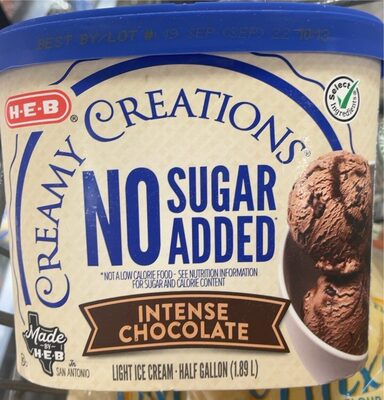
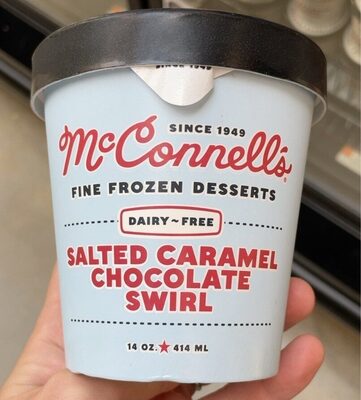
Foods that contain Chocolate Swirl
Compare products →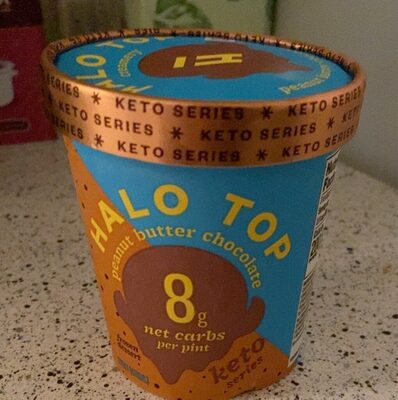
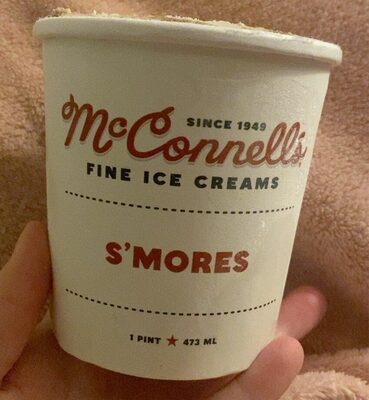
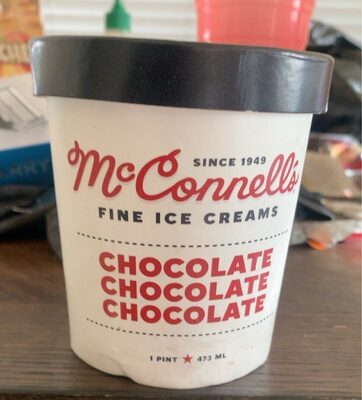

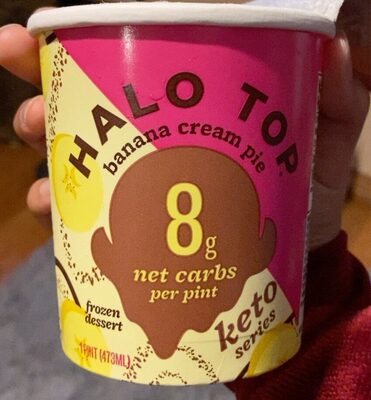




Learn more
Auto-generated content. This description was generated automatically and is pending editorial review. Inaccuracies are possible. Found a mistake? Contact us.