Chopped Parsley
What is Chopped Parsley?
Chopped parsley is a culinary herb made from the dried leaves of the *Petroselinum crispum* plant. It is commonly used as a garnish or flavoring ingredient. Parsley is grown worldwide and is available fresh, dried, or frozen.
Is Chopped Parsley vegan?
Chopped Parsley is not animal-derived. Products that contain it can still include other animal-derived ingredients, so check the full ingredient list.
Is Chopped Parsley a major allergen?
Not a major allergen.
What is Chopped Parsley used for?
Manufacturers add chopped parsley for its fresh, slightly peppery flavor and green color.
Is Chopped Parsley safe?
Chopped parsley is generally recognized as safe (GRAS) by the FDA when used as a food ingredient.
Why it's used
Manufacturers add chopped parsley for its fresh, slightly peppery flavor and green color. It is often used in savory dishes like soups, stews, sauces, pasta, rice dishes, and as a seasoning for meats and vegetables. It is also used as a garnish to add visual appeal.
Health notes
Chopped parsley is generally recognized as safe (GRAS) by the FDA when used as a food ingredient. It is a source of vitamins and minerals, though amounts are typically small in processed foods. JECFA has evaluated parsley and found no safety concerns. Evidence does not suggest adverse health effects from consuming typical amounts found in food.
Allergen info
Not a major allergen. Parsley is not derived from any of the 9 FDA major allergens.
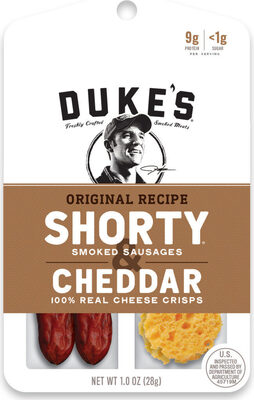
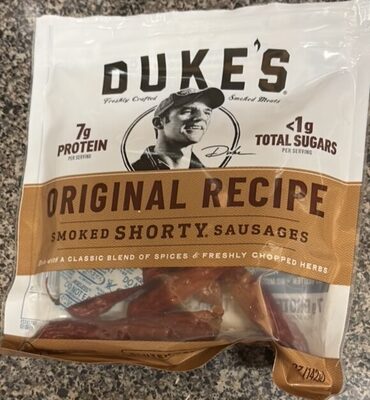
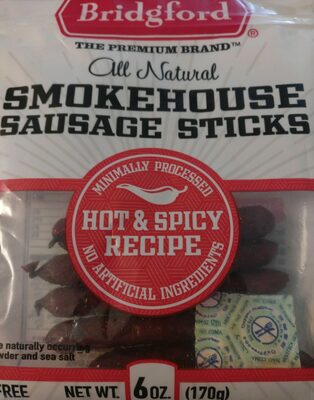
Foods that contain Chopped Parsley
Compare products →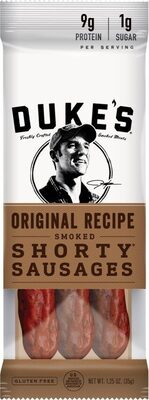
Auto-generated content. This description was generated automatically and is pending editorial review. Inaccuracies are possible. Found a mistake? Contact us.