Citric And Tartaric Acids
Auto-generated content. This description was generated automatically and is pending editorial review. Inaccuracies are possible. Found a mistake? Contact us.
What it is
Citric acid is a weak organic acid found naturally in citrus fruits like lemons and limes. Tartaric acid is also a naturally occurring acid found in grapes, bananas, and tamarinds. Both are commonly produced commercially through the fermentation of carbohydrates by microorganisms.
Why it's used
These acids are primarily used as acidity regulators and flavor enhancers in a wide variety of foods and beverages. They provide a tart or sour taste and can also act as preservatives, antioxidants, and emulsifiers, helping to maintain the texture and stability of products like dressings, sauces, candies, and jams.
Health notes
Citric acid and tartaric acid are generally recognized as safe (GRAS) by the FDA for use in food. International bodies like JECFA and EFSA have also evaluated these substances. At typical consumption levels found in food, they are not associated with adverse health effects. While generally safe, excessive intake of strong acids can potentially erode tooth enamel.
Allergen info
Citric acid and tartaric acid are not derived from any of the nine major allergens and are considered gluten-free.
Products containing Citric And Tartaric Acids
Compare products →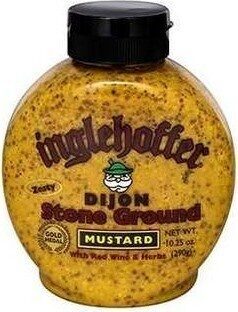 Beaverton Foods, Inc.
Dijon Stone Ground Mustard, Red Wine & Herbs
200kcal
0Protein
10Fat
20Carbs
Beaverton Foods, Inc.
Dijon Mustard With Herbs & Garlic, Dijon
200kcal
0Protein
0Fat
20Carbs
Beaverton Foods, Inc.
Honey Orange & Ginger Mustard, Honey
250kcal
0Protein
0Fat
50Carbs
Beaverton Foods, Inc.
Dijon Stone Ground Mustard, Red Wine & Herbs
200kcal
0Protein
10Fat
20Carbs
Beaverton Foods, Inc.
Dijon Mustard With Herbs & Garlic, Dijon
200kcal
0Protein
0Fat
20Carbs
Beaverton Foods, Inc.
Honey Orange & Ginger Mustard, Honey
250kcal
0Protein
0Fat
50Carbs