Vinegars
What is Vinegars?
Vinegar is a liquid made from the fermentation of ethanol (alcohol) by acetic acid bacteria. It typically contains 5-8% acetic acid, which gives it a sour taste and pungent smell. Vinegars can be made from a variety of sources, including wine, cider, malt, or grains.
Is Vinegars vegan?
Vinegars is not animal-derived. Products that contain it can still include other animal-derived ingredients, so check the full ingredient list.
Is Vinegars gluten-free?
It does not contain gluten unless specifically derived from a gluten-containing grain like barley (malt vinegar).
Is Vinegars a major allergen?
Vinegar is not derived from any of the 9 FDA major allergens.
What is Vinegars used for?
Vinegar is primarily used as a flavoring agent and preservative in foods.
Is Vinegars safe?
Vinegar is generally recognized as safe (GRAS) by the FDA for use in food.
Why it's used
Vinegar is primarily used as a flavoring agent and preservative in foods. Its acidity adds tanginess to dressings, sauces, and marinades, and it can help inhibit the growth of spoilage microorganisms. It is commonly found in condiments like ketchup and mustard, as well as salad dressings and pickles.
Health notes
Vinegar is generally recognized as safe (GRAS) by the FDA for use in food. Acetic acid, the main component of vinegar, has been studied for potential effects on blood sugar and appetite, but evidence is mixed and more research is needed. JECFA has evaluated vinegar and did not specify an acceptable daily intake. It is not typically associated with significant health concerns when consumed in amounts found in food.
Allergen info
Vinegar is not derived from any of the 9 FDA major allergens. It does not contain gluten unless specifically derived from a gluten-containing grain like barley (malt vinegar).
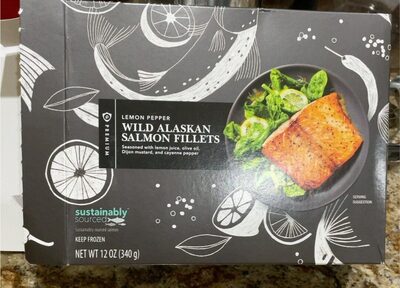
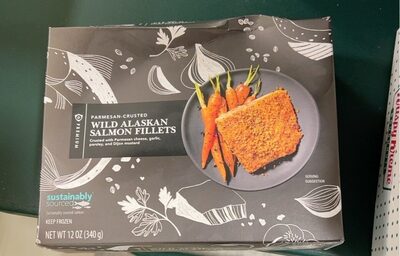
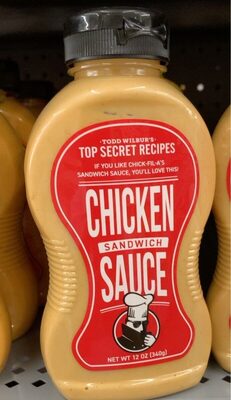
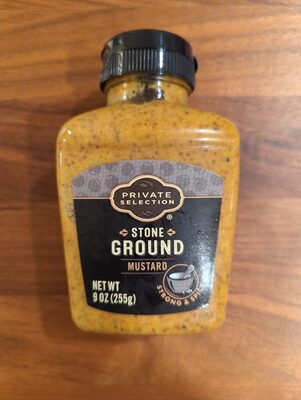
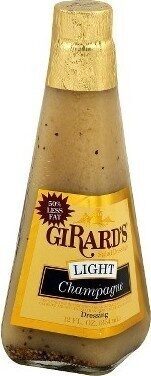
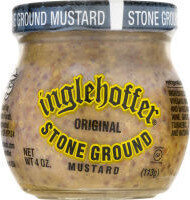
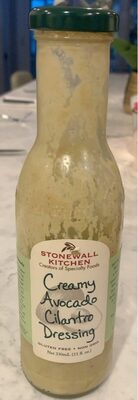
Foods that contain Vinegars
Compare products →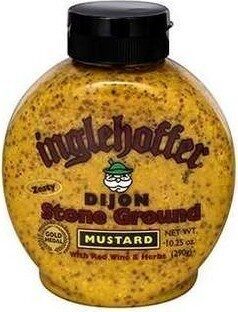
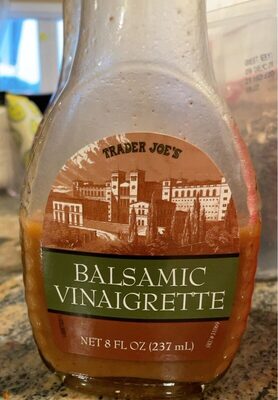
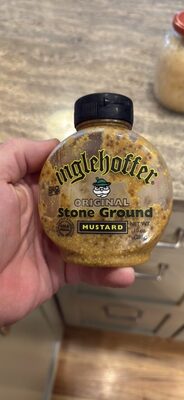
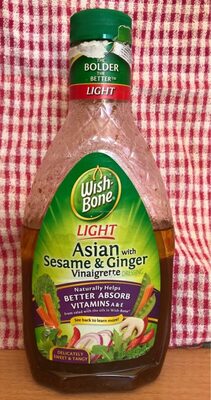
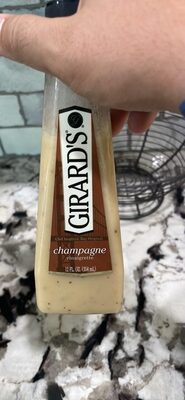
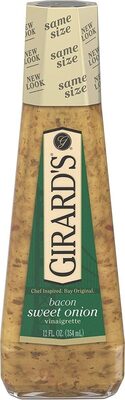
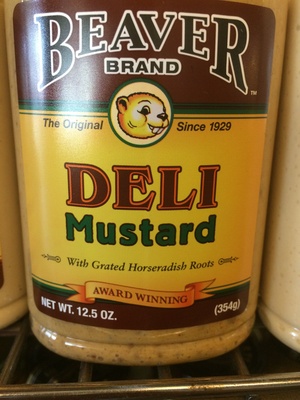
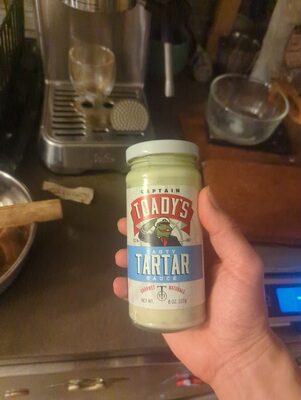
Learn more
Auto-generated content. This description was generated automatically and is pending editorial review. Inaccuracies are possible. Found a mistake? Contact us.