Citrus Aurantium
Auto-generated content. This description was generated automatically and is pending editorial review. Inaccuracies are possible. Found a mistake? Contact us.
What it is
Citrus aurantium, also known as bitter orange, is a fruit from a tree native to Southeast Asia. The fruit, peel, and leaves are used to make extracts and oils.
Why it's used
Bitter orange extracts and oils are used to add a distinct citrus flavor to foods and beverages. They are commonly found in teas, sodas, and other flavored drinks.
Health notes
In the U.S., bitter orange extracts and oils are generally recognized as safe (GRAS) by the FDA for use as flavoring agents. Some bitter orange products contain synephrine, a stimulant. Regulatory bodies like EFSA have evaluated bitter orange and its components. Research into the effects of bitter orange, particularly regarding weight management, has yielded mixed results, and its use in supplements has raised some safety concerns.
Allergen info
Citrus aurantium is not one of the 9 major allergens and does not contain gluten.
Products containing Citrus Aurantium
Compare products →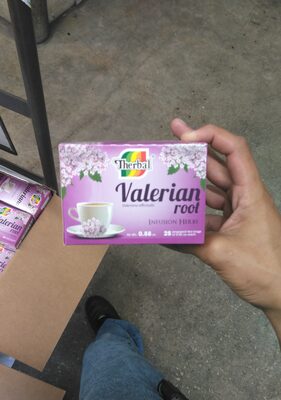 GS1 Mexico
Valerian Root Infusion Herbs Tea Bags, Valerian Root
0kcal
0Protein
0Fat
0Carbs
GS1 Mexico
Valerian Root Infusion Herbs Tea Bags, Valerian Root
0kcal
0Protein
0Fat
0Carbs
 Houston Tobacco
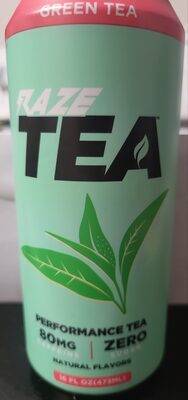
Green Zero Sugar Tea, Green
0kcal
0Protein
0Fat
0Carbs
Houston Tobacco
Sweet Tea, Sweet
0kcal
0Protein
0Fat
0Carbs
Houston Tobacco
Lemonade Tea, Lemonade
0kcal
0Protein
0Fat
0Carbs
Houston Tobacco
Green Zero Sugar Tea, Green
0kcal
0Protein
0Fat
0Carbs
Houston Tobacco
Sweet Tea, Sweet
0kcal
0Protein
0Fat
0Carbs
Houston Tobacco
Lemonade Tea, Lemonade
0kcal
0Protein
0Fat
0Carbs