Clover
What is Clover?
Clover is a small, herbaceous flowering plant with three or four leaves, commonly found in fields and lawns. It is a source of nectar for bees and is often used as a cover crop or forage for livestock. Certain varieties of clover are also used in herbal teas and as a culinary ingredient.
Is Clover vegan?
Clover is not animal-derived. Products that contain it can still include other animal-derived ingredients, so check the full ingredient list.
Is Clover gluten-free?
It does not contain gluten.
Is Clover a major allergen?
Clover is not a major allergen.
What is Clover used for?
Clover is used in packaged foods primarily for its mild, slightly sweet flavor and sometimes for its tender leaves.
Is Clover safe?
Clover is generally recognized as safe (GRAS) by the FDA for use as a food ingredient.
Why it's used
Clover is used in packaged foods primarily for its mild, slightly sweet flavor and sometimes for its tender leaves. It can be found in products like sprouts, tonics, and teas, where it adds a fresh, green note. Manufacturers may also use it as a decorative or flavorful element in certain dishes.
Health notes
Clover is generally recognized as safe (GRAS) by the FDA for use as a food ingredient. It is not typically associated with significant health concerns when consumed in amounts found in food. Regulatory bodies like JECFA and EFSA have not specifically evaluated clover as a food additive, as it is considered a natural food component.
Allergen info
Clover is not a major allergen. It does not contain gluten.
Foods that contain Clover
Compare products →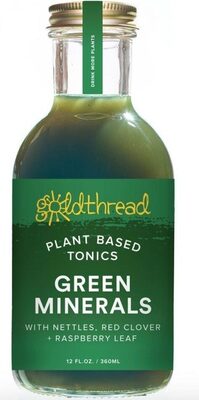
Auto-generated content. This description was generated automatically and is pending editorial review. Inaccuracies are possible. Found a mistake? Contact us.