Chlorophyll
What is Chlorophyll?
Chlorophyll is the natural green pigment found in plants, responsible for absorbing light during photosynthesis. It is extracted from sources like alfalfa, grass, spinach, and other green leafy vegetables. The extraction process typically involves solvents to isolate the chlorophyll.
Is Chlorophyll vegan?
Chlorophyll is not animal-derived. Products that contain it can still include other animal-derived ingredients, so check the full ingredient list.
Is Chlorophyll gluten-free?
It does not contain gluten.
Is Chlorophyll a major allergen?
Chlorophyll is derived from plants and is not one of the nine major allergens.
What is Chlorophyll used for?
Chlorophyll is primarily used as a natural green food colorant.
Is Chlorophyll safe?
In the United States, chlorophyll and its derivatives (like chlorophyllin) are generally recognized as safe (GRAS) by the FDA for use as a food colorant.
Why it's used
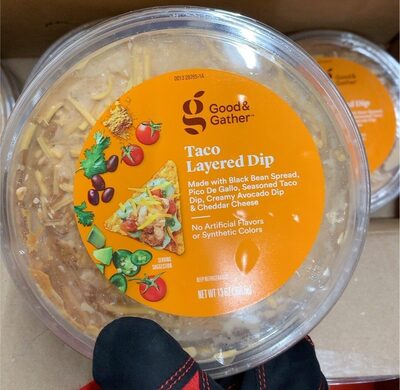
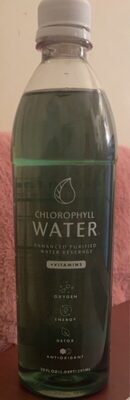
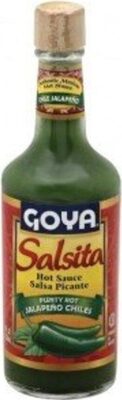
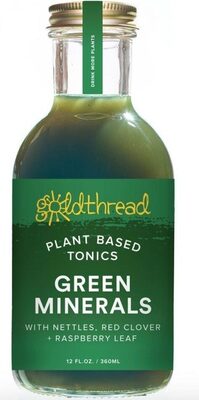
Chlorophyll is primarily used as a natural green food colorant. It can be found in a variety of products where a green hue is desired, such as candies, chewing gum, baked goods, and beverages. It is also sometimes used in dietary supplements.
Health notes
In the United States, chlorophyll and its derivatives (like chlorophyllin) are generally recognized as safe (GRAS) by the FDA for use as a food colorant. JECFA and EFSA have evaluated chlorophyll and its derivatives, and have established acceptable daily intakes. At typical consumption levels in food, it is not associated with adverse health effects. Research is ongoing into potential health benefits, but current evidence is not conclusive.
Allergen info
Chlorophyll is derived from plants and is not one of the nine major allergens. It does not contain gluten.
Foods that contain Chlorophyll
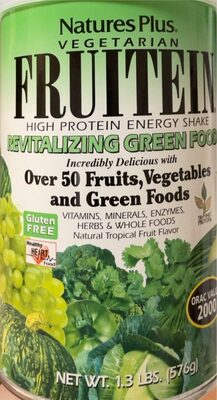
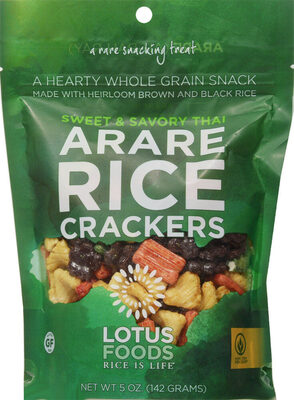
Compare products →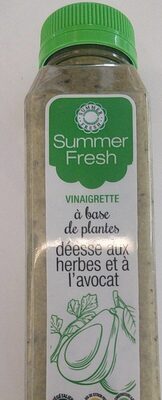
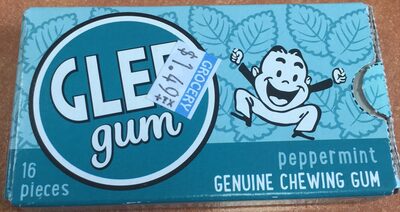 GLEE
Peppermint Cane Sugar Sweetened Natural Chewing Gum, Peppermint
357kcal
0Protein
0Fat
71.4Carbs


Learn more
Auto-generated content. This description was generated automatically and is pending editorial review. Inaccuracies are possible. Found a mistake? Contact us.