Coating: Cane Sugar
What is Coating: Cane Sugar?
Cane sugar is a type of sugar made from sugarcane, a tall grass grown in tropical and subtropical regions. It is produced by crushing the sugarcane stalks to extract the juice, which is then purified, evaporated, and crystallized to form sugar granules.
Is Coating: Cane Sugar vegan?
Coating: Cane Sugar is not animal-derived. Products that contain it can still include other animal-derived ingredients, so check the full ingredient list.
Is Coating: Cane Sugar a major allergen?
Not a major allergen.
What is Coating: Cane Sugar used for?
Manufacturers use cane sugar primarily as a sweetener to enhance the taste of foods.
Is Coating: Cane Sugar safe?
Cane sugar is generally recognized as safe (GRAS) by the U.S. Food and Drug Administration (FDA).
Why it's used
Manufacturers use cane sugar primarily as a sweetener to enhance the taste of foods. In coatings, it provides a sweet, often crunchy, texture and can contribute to browning. It is commonly found in confectionery, baked goods, and beverages.
Health notes
Cane sugar is generally recognized as safe (GRAS) by the U.S. Food and Drug Administration (FDA). As a source of added sugars, it provides calories but few other nutrients. The 2025-2030 Dietary Guidelines for Americans recommend no amount of added sugars, and at most 10 grams per meal. Excessive intake of added sugars can contribute to health concerns such as weight gain and dental cavities. JECFA has evaluated sugars as food components and not set an ADI, as they are considered foods rather than additives requiring specific limits.
Allergen info
Not a major allergen.
Foods that contain Coating: Cane Sugar
Compare products →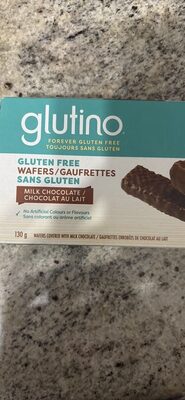 First Touch Sports, Inc.
Milk Chocolate Covered And Filled Gluten Free Wafers, Milk Chocolate
High in saturated fat — 22% DV per serving
533kcal
3.3Protein
30Fat
66.7Carbs
First Touch Sports, Inc.
Milk Chocolate Covered And Filled Gluten Free Wafers, Milk Chocolate
High in saturated fat — 22% DV per serving
533kcal
3.3Protein
30Fat
66.7Carbs
 First Touch Sports, Inc.
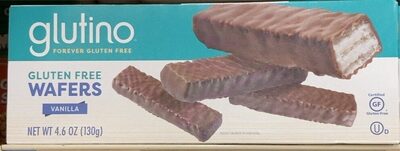
Vanilla Milk Chocolate Covered Vanilla Gluten Free Wafers, Vanilla
High in saturated fat — 20% DV per serving
533kcal
3.3Protein
26.7Fat
70Carbs
First Touch Sports, Inc.
Glutino, Gluten Free Chocolate Covered Wafer Bites
High in saturated fat — 30% DV per serving
533kcal
3.3Protein
26.7Fat
66.7Carbs
First Touch Sports, Inc.
Vanilla Milk Chocolate Covered Vanilla Gluten Free Wafers, Vanilla
High in saturated fat — 20% DV per serving
533kcal
3.3Protein
26.7Fat
70Carbs
First Touch Sports, Inc.
Glutino, Gluten Free Chocolate Covered Wafer Bites
High in saturated fat — 30% DV per serving
533kcal
3.3Protein
26.7Fat
66.7Carbs
Learn more
Auto-generated content. This description was generated automatically and is pending editorial review. Inaccuracies are possible. Found a mistake? Contact us.