Cocoa: Minimum 33 % In Milk Chocolate
Auto-generated content. This description was generated automatically and is pending editorial review. Inaccuracies are possible. Found a mistake? Contact us.
What it is
Cocoa solids are derived from the cocoa bean, the seed of the Theobroma cacao tree, native to the Americas. After harvesting, beans are fermented, dried, roasted, and ground into a paste called chocolate liquor. This liquor is then pressed to separate cocoa butter (fat) from cocoa solids, which are further processed into a powder.
Why it's used
Cocoa solids provide the characteristic chocolate flavor and color in a wide range of products. In milk chocolate, a minimum of 33% cocoa solids is required by US standards. They are essential in candies, baked goods, beverages, and dairy products where a chocolate taste is desired.
Health notes
Cocoa solids are generally recognized as safe (GRAS) by the FDA for use in food. They contain flavanols, which are plant compounds that have been studied for potential antioxidant effects. Regulatory bodies like EFSA have evaluated cocoa and its components. While some research suggests potential cardiovascular benefits from flavanol-rich cocoa, evidence is mixed and more research is needed. High intake of chocolate products can contribute to excess calorie, sugar, and saturated fat consumption.
Allergen info
Cocoa itself is not one of the 9 major allergens. However, many chocolate products contain milk, soy (lecithin), or are processed in facilities that handle tree nuts or peanuts, which are common allergens.
Products containing Cocoa: Minimum 33 % In Milk Chocolate
Compare products →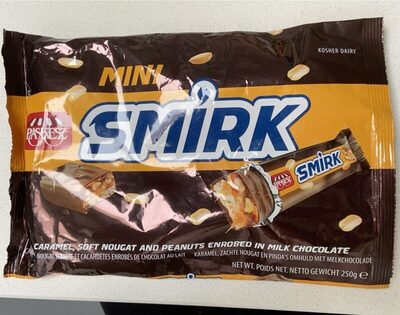 Paskesz Candy Company
Milk Chocolate, Peanuts, Caramel, Nougat Mini Smirk, Milk Chocolate, Peanuts, Caramel, Nougat
545kcal
13.6Protein
31.8Fat
54.5Carbs
Paskesz Candy Company
Minis Milk Munch
High in added sugars — 22% DV per serving
455kcal
4.5Protein
20.4Fat
63.6Carbs
Paskesz Candy Company
Milk Chocolate, Peanuts, Caramel, Nougat Mini Smirk, Milk Chocolate, Peanuts, Caramel, Nougat
545kcal
13.6Protein
31.8Fat
54.5Carbs
Paskesz Candy Company
Minis Milk Munch
High in added sugars — 22% DV per serving
455kcal
4.5Protein
20.4Fat
63.6Carbs
 Paskesz Candy Company
Paskesz Milk Munch, 1.58 Oz
High in saturated fat — 30% DV per serving
High in added sugars — 46% DV per serving
467kcal
4.4Protein
22.2Fat
64.4Carbs
Paskesz Candy Company
Paskesz Encore!, 1.76 Oz
High in saturated fat — 35% DV per serving
High in added sugars — 38% DV per serving
520kcal
6Protein
26Fat
66Carbs
Paskesz Candy Company
Paskesz Milk Munch, 1.58 Oz
High in saturated fat — 30% DV per serving
High in added sugars — 46% DV per serving
467kcal
4.4Protein
22.2Fat
64.4Carbs
Paskesz Candy Company
Paskesz Encore!, 1.76 Oz
High in saturated fat — 35% DV per serving
High in added sugars — 38% DV per serving
520kcal
6Protein
26Fat
66Carbs
 Paskesz Candy Company
Paskesz Mini Encore!, 9.1 Oz, Milk Chocolate; Caramel
500kcal
5Protein
25Fat
65Carbs
Paskesz Candy Company
Paskesz Mini Encore!, 9.1 Oz, Milk Chocolate; Caramel
500kcal
5Protein
25Fat
65Carbs
 Paskesz Candy Company
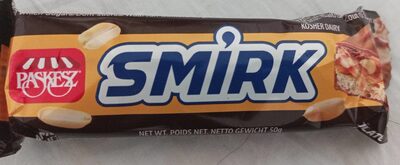
Milk Chocolate Peanuts Caramel Nougat Bar, Milk Chocolate; Peanuts; Caramel; Nougat
High in saturated fat — 30% DV per serving
High in added sugars — 40% DV per serving
520kcal
10Protein
30Fat
54Carbs
Paskesz Candy Company
Milk Chocolate Peanuts Caramel Nougat Bar, Milk Chocolate; Peanuts; Caramel; Nougat
High in saturated fat — 30% DV per serving
High in added sugars — 40% DV per serving
520kcal
10Protein
30Fat
54Carbs
 Paskesz Candy Company
Milk Chocolate Peanuts Caramel Nougat Unwrapped Bites, Milk Chocolate; Peanuts; Caramel; Nougat
High in saturated fat — 30% DV per serving
High in added sugars — 40% DV per serving
523kcal
9.1Protein
27.3Fat
56.8Carbs
Paskesz Candy Company
Milk Chocolate Peanuts Caramel Nougat Unwrapped Bites, Milk Chocolate; Peanuts; Caramel; Nougat
High in saturated fat — 30% DV per serving
High in added sugars — 40% DV per serving
523kcal
9.1Protein
27.3Fat
56.8Carbs