Glucose-fructose Syrup
What is Glucose-fructose Syrup?
Glucose-fructose syrup is a liquid sweetener made from corn starch. The corn starch is broken down into glucose, which is then partially converted into fructose through an enzymatic process. This creates a mixture of glucose and fructose sugars that is sweeter than pure glucose.
Is Glucose-fructose Syrup vegan?
Glucose-fructose Syrup is not animal-derived. Products that contain it can still include other animal-derived ingredients, so check the full ingredient list.
Is Glucose-fructose Syrup gluten-free?
It does not contain gluten.
Is Glucose-fructose Syrup a major allergen?
Glucose-fructose syrup is derived from corn, which is not one of the nine major allergens.
What is Glucose-fructose Syrup used for?
Manufacturers use glucose-fructose syrup as a sweetener and to improve texture and shelf life in a wide variety of processed foods.
Is Glucose-fructose Syrup safe?
Glucose-fructose syrup is generally recognized as safe (GRAS) by the FDA for use in food.
Why it's used
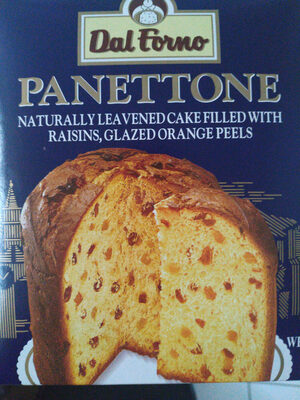
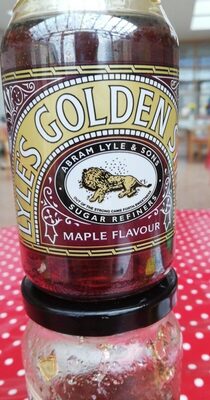
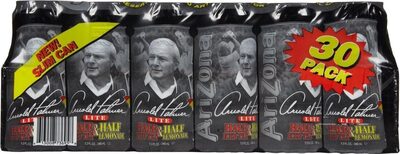
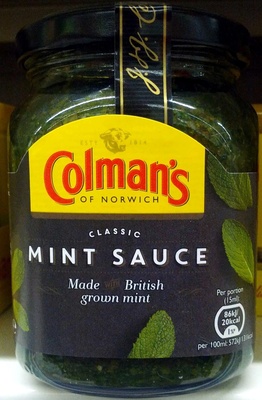
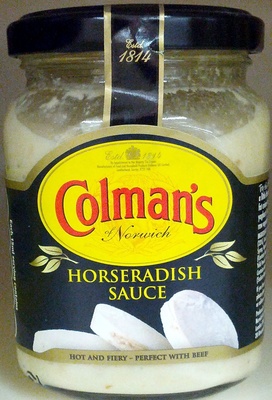
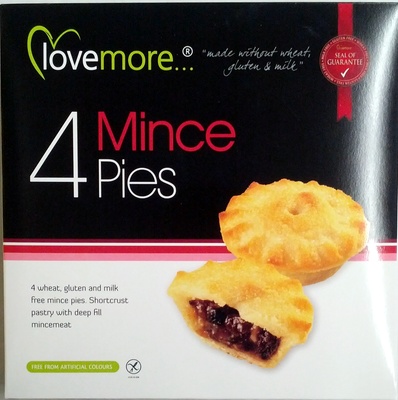
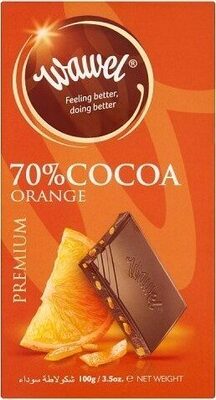
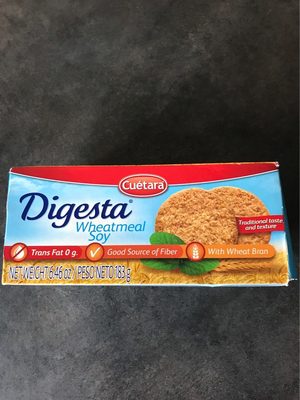
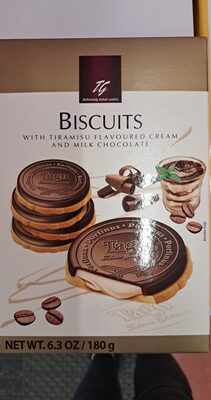
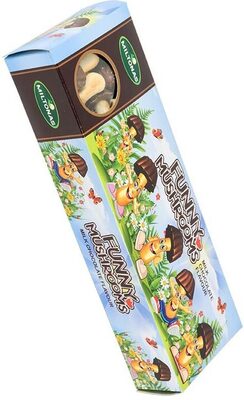
Manufacturers use glucose-fructose syrup as a sweetener and to improve texture and shelf life in a wide variety of processed foods. It is commonly found in baked goods like cookies and cakes, as well as candies, jams, and sweetened beverages.
Health notes
Glucose-fructose syrup is generally recognized as safe (GRAS) by the FDA for use in food. Like other added sugars, excessive consumption can contribute to health issues. International bodies such as JECFA and EFSA have evaluated similar high-fructose corn syrups, but no specific numeric limits are provided here. Research on the health effects of glucose-fructose syrup compared to other sugars is ongoing, with some studies suggesting potential differences in metabolic effects.
Allergen info
Glucose-fructose syrup is derived from corn, which is not one of the nine major allergens. It does not contain gluten.
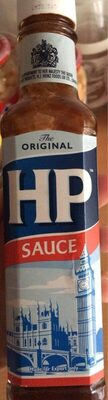
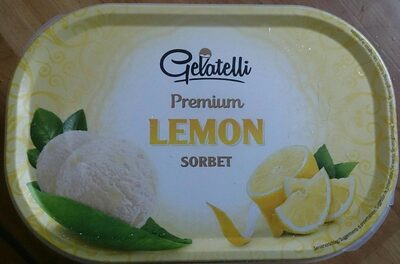
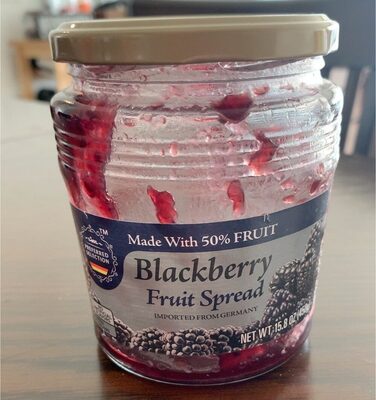
Foods that contain Glucose-fructose Syrup
Compare products →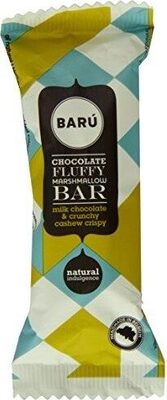


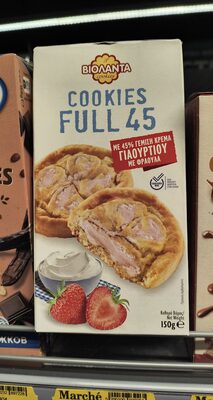
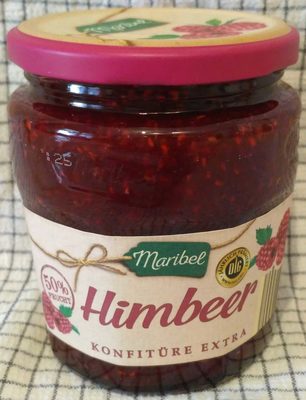
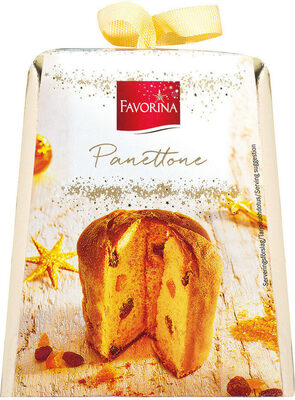
Learn more
Auto-generated content. This description was generated automatically and is pending editorial review. Inaccuracies are possible. Found a mistake? Contact us.