Coconut Pieces
What is Coconut Pieces?
Coconut pieces are dried, shredded, or flaked pieces of the white flesh of the coconut fruit. Coconuts grow on palm trees in tropical regions worldwide. The flesh is typically dried to reduce moisture content and extend shelf life, then cut into various sizes and shapes.
Is Coconut Pieces vegan?
Coconut Pieces is not animal-derived. Products that contain it can still include other animal-derived ingredients, so check the full ingredient list.
Is Coconut Pieces a major allergen?
Coconut is not one of the nine major allergens identified by the FDA.
What is Coconut Pieces used for?
Coconut pieces are used to add flavor, texture, and visual appeal to foods.
Is Coconut Pieces safe?
Coconut pieces are generally recognized as safe (GRAS) by the FDA when used as a food ingredient.
Why it's used
Coconut pieces are used to add flavor, texture, and visual appeal to foods. They are often found in baked goods like cookies and cakes, as well as in snack bars, granola, and desserts. Their natural sweetness and distinct tropical flavor make them a popular ingredient.
Health notes
Coconut pieces are generally recognized as safe (GRAS) by the FDA when used as a food ingredient. They are a source of dietary fiber and some minerals. While they contain saturated fat, moderate consumption as part of a balanced diet is not typically associated with negative health effects. JECFA and EFSA have evaluated coconut oil, a related product, but specific evaluations for coconut pieces are not as prominent.
Allergen info
Coconut is not one of the nine major allergens identified by the FDA. It is not related to tree nuts, although some individuals with tree nut allergies may also react to coconut.
Foods that contain Coconut Pieces
Compare products →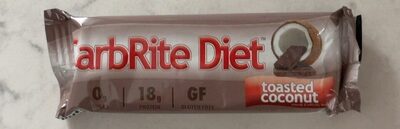 Universal Laboratories Inc.
Toasted Coconut Flavored Bar, Toasted Coconut
High in saturated fat — 23% DV per serving
353kcal
31.8Protein
12.3Fat
37.9Carbs
Universal Laboratories Inc.
Toasted Coconut Flavored Bar, Toasted Coconut
High in saturated fat — 23% DV per serving
353kcal
31.8Protein
12.3Fat
37.9Carbs
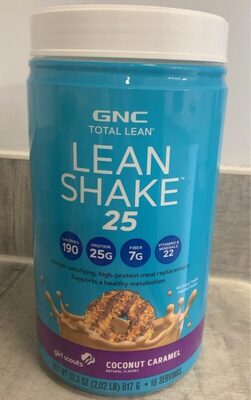 General Nutrition Centers, Inc
Protein 25 G, Calories 190, Fiber 5 G, Vitamins & Minerals 22 Lean Shake Powder, Girl Scout Coconut Caramel, Girl Scout Coconut Caramel
332kcal
43.6Protein
7.0Fat
36.6Carbs
The Kellogg Company
Chocolate Coconut Cashew Flavored Chewy Nut Bars, Chocolate Coconut Cashew
High in saturated fat — 20% DV per serving
515kcal
12.1Protein
33.3Fat
48.5Carbs
General Nutrition Centers, Inc
Protein 25 G, Calories 190, Fiber 5 G, Vitamins & Minerals 22 Lean Shake Powder, Girl Scout Coconut Caramel, Girl Scout Coconut Caramel
332kcal
43.6Protein
7.0Fat
36.6Carbs
The Kellogg Company
Chocolate Coconut Cashew Flavored Chewy Nut Bars, Chocolate Coconut Cashew
High in saturated fat — 20% DV per serving
515kcal
12.1Protein
33.3Fat
48.5Carbs
Auto-generated content. This description was generated automatically and is pending editorial review. Inaccuracies are possible. Found a mistake? Contact us.