Coconut Sugar
Auto-generated content. This description was generated automatically and is pending editorial review. Inaccuracies are possible. Found a mistake? Contact us.
What it is
Coconut sugar is a sweetener made from the sap of the coconut palm tree's flower buds. The sap is collected, heated to evaporate most of the water, and then processed into granules or a paste. It retains some of the minerals and antioxidants found in the original sap.
Why it's used
Manufacturers use coconut sugar primarily as a sweetener, offering a slightly caramel-like flavor. It can be used as a substitute for granulated sugar in many applications, including baked goods like cookies and cakes, chocolate products, and beverages. It functions similarly to regular sugar in recipes.
Health notes
In the U.S., coconut sugar is generally recognized as safe (GRAS) when used as a sweetener. It contains some minerals like iron, zinc, and calcium, and has a slightly lower glycemic index than refined white sugar, meaning it may raise blood sugar levels more slowly. However, it is still a sugar and should be consumed in moderation as part of a balanced diet. International bodies like JECFA have evaluated sweeteners, but specific evaluations for coconut sugar's health impacts at typical consumption levels are limited.
Allergen info
Coconut sugar is not derived from any of the nine FDA major allergens. It does not contain gluten.
Products containing Coconut Sugar
Compare products →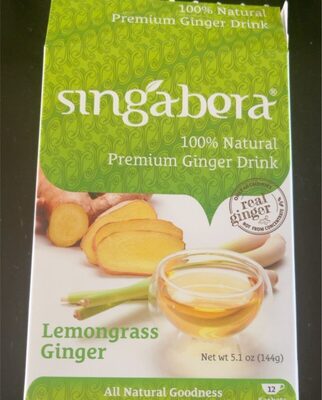 SINGABERA
100% Natural Premium Ginger Drink
400kcal
0Protein
0Fat
100Carbs
SINGABERA
Singabera, Premium Ginger Drink, Cinnamon Ginger
400kcal
0Protein
0Fat
100Carbs
FINE & RAW CHOCOLATE
Chocolate
High in saturated fat — 25% DV per serving
489kcal
7.1Protein
32.1Fat
42.9Carbs
CHIA POD
Bircher Muesli
127kcal
3.2Protein
6.8Fat
13.6Carbs
CHIA POD
Bircher Muesli
132kcal
3.6Protein
6.4Fat
17.3Carbs
CHIA POD
Coffee Bean
High in saturated fat — 35% DV per serving
112kcal
2.4Protein
7.1Fat
11.8Carbs
EVOLVE PALEO
Bar Nuts Trail Mix
607kcal
21.4Protein
53.6Fat
21.4Carbs
GLUTENULL
Ginger Square Gingerbread
333kcal
3.7Protein
14.8Fat
37.0Carbs
HIPPIE FOODS
Hippie Granola
High in saturated fat — 20% DV per serving
511kcal
13.3Protein
33.3Fat
46.7Carbs
C2O LLC
Coconut Water With Espresso
29kcal
0.4Protein
0.4Fat
6.2Carbs
URBAN REMEDY
Spicy Thai Noodles
High in saturated fat — 22% DV per serving
103kcal
2.1Protein
8.5Fat
6.1Carbs
ALOHA
Nut & Seed Bar
450kcal
10Protein
25Fat
50Carbs
SINGABERA
100% Natural Premium Ginger Drink
400kcal
0Protein
0Fat
100Carbs
SINGABERA
Singabera, Premium Ginger Drink, Cinnamon Ginger
400kcal
0Protein
0Fat
100Carbs
FINE & RAW CHOCOLATE
Chocolate
High in saturated fat — 25% DV per serving
489kcal
7.1Protein
32.1Fat
42.9Carbs
CHIA POD
Bircher Muesli
127kcal
3.2Protein
6.8Fat
13.6Carbs
CHIA POD
Bircher Muesli
132kcal
3.6Protein
6.4Fat
17.3Carbs
CHIA POD
Coffee Bean
High in saturated fat — 35% DV per serving
112kcal
2.4Protein
7.1Fat
11.8Carbs
EVOLVE PALEO
Bar Nuts Trail Mix
607kcal
21.4Protein
53.6Fat
21.4Carbs
GLUTENULL
Ginger Square Gingerbread
333kcal
3.7Protein
14.8Fat
37.0Carbs
HIPPIE FOODS
Hippie Granola
High in saturated fat — 20% DV per serving
511kcal
13.3Protein
33.3Fat
46.7Carbs
C2O LLC
Coconut Water With Espresso
29kcal
0.4Protein
0.4Fat
6.2Carbs
URBAN REMEDY
Spicy Thai Noodles
High in saturated fat — 22% DV per serving
103kcal
2.1Protein
8.5Fat
6.1Carbs
ALOHA
Nut & Seed Bar
450kcal
10Protein
25Fat
50Carbs