Color Added In Feed
What is Color Added In Feed?
Color added in feed refers to food colorings used in animal feed to make the meat, poultry, or fish appear more appealing to consumers. These colors are absorbed by the animal and can transfer to the edible tissues.
Is Color Added In Feed a major allergen?
Not a major allergen.
What is Color Added In Feed used for?
Manufacturers add these colors to animal feed to influence the perceived color of the final food product, such as making salmon flesh appear a richer pink or poultry skin a more golden yellow.
Is Color Added In Feed safe?
The FDA permits the use of certain color additives in animal feed, provided they are also approved for direct addition to food or are generally recognized as safe (GRAS).
Why it's used
Manufacturers add these colors to animal feed to influence the perceived color of the final food product, such as making salmon flesh appear a richer pink or poultry skin a more golden yellow. They are typically found in products like salmon, shrimp, and chicken.
Health notes
The FDA permits the use of certain color additives in animal feed, provided they are also approved for direct addition to food or are generally recognized as safe (GRAS). The FDA monitors the safety of these substances. International bodies like EFSA have also evaluated various food colorings. Evidence on the health effects of consuming foods colored via animal feed is limited and generally considered safe at typical consumption levels.
Allergen info
Not a major allergen. However, if the color additive itself is derived from a major allergen (e.g., a color derived from shellfish), it would be subject to allergen labeling rules.
Foods that contain Color Added In Feed
Compare products →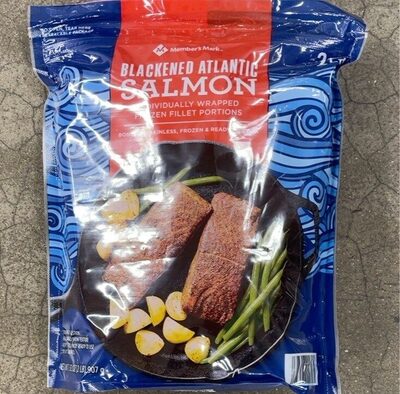
Learn more
Auto-generated content. This description was generated automatically and is pending editorial review. Inaccuracies are possible. Found a mistake? Contact us.