Color Blend
What is Color Blend?
Color blends are mixtures of different food colorings, both natural and artificial. They are created by food manufacturers to achieve specific shades and hues not possible with a single color additive. The exact composition varies depending on the desired color and the specific ingredients used.
Is Color Blend a major allergen?
Color blends themselves are not typically major allergens.
What is Color Blend used for?
Manufacturers use color blends to provide or enhance the color of food products, making them more visually appealing to consumers.
Is Color Blend safe?
Color blends are regulated by the FDA as food additives.
Why it's used
Manufacturers use color blends to provide or enhance the color of food products, making them more visually appealing to consumers. They are commonly found in a wide range of processed foods, including beverages, confectionery, baked goods, dairy products, and savory snacks.
Health notes
Color blends are regulated by the FDA as food additives. The individual colorings within a blend must be approved for use in food. Some artificial colorings have been studied for potential links to hyperactivity in children, though scientific consensus is mixed and regulatory bodies like the FDA have not found sufficient evidence to warrant restrictions for the general population. JECFA and EFSA have evaluated many individual color additives.
Allergen info
Color blends themselves are not typically major allergens. However, depending on the specific colorings used, some may be derived from sources that could be a concern for individuals with specific sensitivities. Always check the ingredient list for specific details.
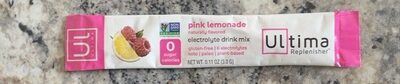
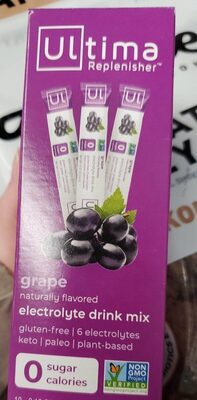
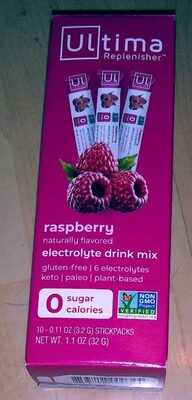
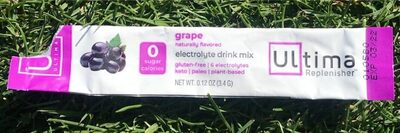
Foods that contain Color Blend
Compare products →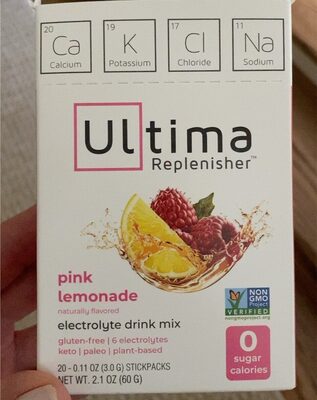
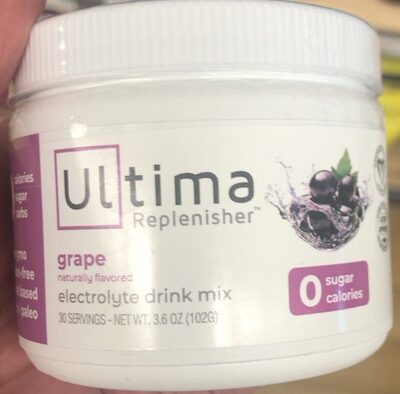
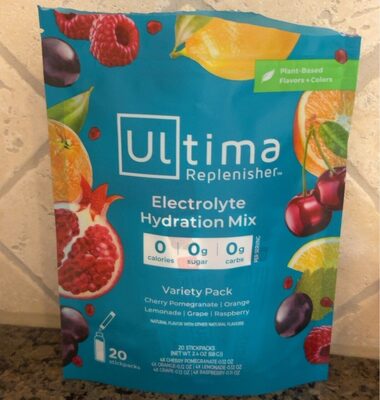
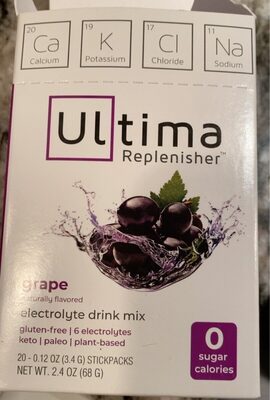
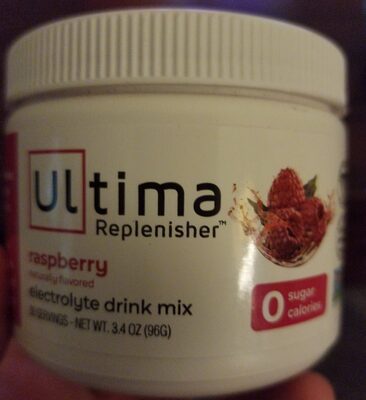
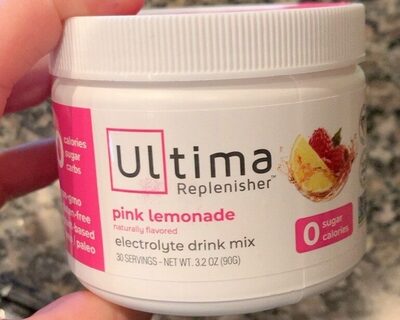
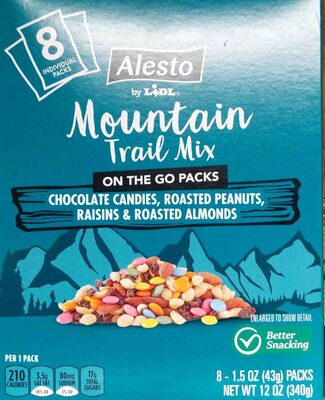
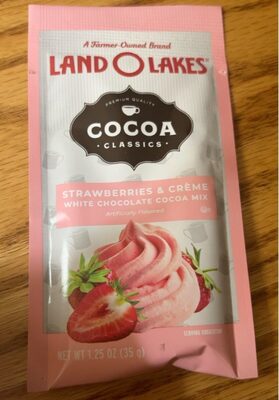
Learn more
Auto-generated content. This description was generated automatically and is pending editorial review. Inaccuracies are possible. Found a mistake? Contact us.