Colored With Caramel
Auto-generated content. This description was generated automatically and is pending editorial review. Inaccuracies are possible. Found a mistake? Contact us.
What it is
Caramel color is a dark brown food coloring made by heating sugars, such as glucose or fructose, with or without acids, alkalis, or sulfites. This process, called caramelization, creates a range of colors from light yellow to dark brown. It is one of the most widely used food colorings globally.
Why it's used
Caramel color is added to foods and beverages primarily to provide or enhance brown coloration, mimicking natural browning or creating a richer appearance. It is found in a wide variety of products, including baked goods, soft drinks, sauces, gravies, and confectionery.
Health notes
Caramel color is generally recognized as safe (GRAS) by the FDA for use in food. Some forms of caramel color, specifically Class III and Class IV, can contain small amounts of 4-MEI (4-methylimidazole), a byproduct of the manufacturing process. While some studies in rodents have raised concerns about high doses of 4-MEI, regulatory bodies like the FDA and EFSA have reviewed the evidence and concluded that current levels in food do not pose a health risk to consumers. The FDA has stated that the levels of 4-MEI found in foods are not expected to cause cancer. JECFA has also evaluated caramel colors.
Allergen info
Caramel color is not derived from any of the nine FDA major allergens. It does not contain gluten.
Products containing Colored With Caramel
Compare products →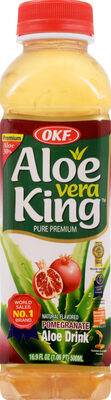 SKECHERS USA, Inc.
Okf, Aloe Vera King, Natural Aloe Vera Drink, Pomegranate, Pomegranate
38kcal
0Protein
0Fat
9.2Carbs
Khong Guan Corporation
Koka, Instant Rice Noodles, Spicy Seafood Marinara, Spicy Seafood Marinara
High in sodium — 87% DV per serving
286kcal
11.4Protein
2.9Fat
57.1Carbs
Israel Edible Products Ltd.
Beef Flavored Stock Cubes, Beef
389kcal
11.1Protein
27.8Fat
22.2Carbs
SKECHERS USA, Inc.
Okf, Aloe Vera King, Natural Aloe Vera Drink, Pomegranate, Pomegranate
38kcal
0Protein
0Fat
9.2Carbs
Khong Guan Corporation
Koka, Instant Rice Noodles, Spicy Seafood Marinara, Spicy Seafood Marinara
High in sodium — 87% DV per serving
286kcal
11.4Protein
2.9Fat
57.1Carbs
Israel Edible Products Ltd.
Beef Flavored Stock Cubes, Beef
389kcal
11.1Protein
27.8Fat
22.2Carbs