Coloring Blend
What is Coloring Blend?
Coloring blends are mixtures of different food colorings, both artificial and natural, designed to achieve a specific hue or range of colors in food products. They are created by combining approved colorants, often in powder or liquid form, to meet manufacturer specifications for color intensity and stability. The exact composition varies widely depending on the desired color and application.
Is Coloring Blend gluten-free?
Gluten is not inherently present in most coloring blends unless a gluten-containing ingredient is used as a carrier.
Is Coloring Blend a major allergen?
Coloring blends themselves are not typically derived from major allergens.
What is Coloring Blend used for?
Manufacturers use coloring blends to enhance the visual appeal of foods, making them more attractive to consumers.
Is Coloring Blend safe?
The components of coloring blends are subject to FDA regulations.
Why it's used
Manufacturers use coloring blends to enhance the visual appeal of foods, making them more attractive to consumers. They are commonly found in baked goods like biscuits, cookies, croissants, sweet rolls, and muffins, as well as in candies and other confectionery items. The goal is to provide a consistent and vibrant color that consumers associate with the product's flavor or type.
Health notes
The components of coloring blends are subject to FDA regulations. Artificial colors are approved food additives, while natural colors are generally recognized as safe (GRAS). Some artificial colors, like Red 40, Yellow 5, and Yellow 6, are part of a planned FDA phase-out due to concerns about potential health effects, though they remain permitted for now. Regulatory bodies like JECFA and EFSA have evaluated many individual colorants. While generally considered safe at typical consumption levels, some individuals may experience sensitivities to certain artificial colors, and ongoing research explores potential links to behavioral issues in children, though evidence is mixed.
Allergen info
Coloring blends themselves are not typically derived from major allergens. However, depending on the specific colorants used and the manufacturing process, cross-contamination with allergens like wheat or soy is possible. Gluten is not inherently present in most coloring blends unless a gluten-containing ingredient is used as a carrier.
Foods that contain Coloring Blend
Compare products →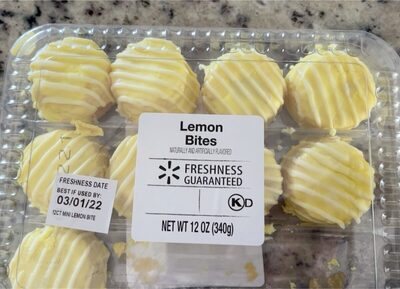
Learn more
Auto-generated content. This description was generated automatically and is pending editorial review. Inaccuracies are possible. Found a mistake? Contact us.