Colours: FD&C Yellow #5
What is Colours: FD&C Yellow #5?
FD&C Yellow #5, also known as Tartrazine, is a synthetic yellow dye. It is produced from petroleum and is one of the most widely used food colors.
Is Colours: FD&C Yellow #5 vegan?
Colours: FD&C Yellow #5 is not animal-derived. Products that contain it can still include other animal-derived ingredients, so check the full ingredient list.
Is Colours: FD&C Yellow #5 a major allergen?
Not a major allergen.
What is Colours: FD&C Yellow #5 used for?
Manufacturers add FD&C Yellow #5 to foods to give them a yellow color.
Is Colours: FD&C Yellow #5 safe?
FD&C Yellow #5 is an FDA-approved color additive for use in food, drugs, and cosmetics.
Why it's used
Manufacturers add FD&C Yellow #5 to foods to give them a yellow color. It is commonly found in a variety of processed foods, including candies, beverages, desserts, and some syrups.
Health notes
FD&C Yellow #5 is an FDA-approved color additive for use in food, drugs, and cosmetics. In April 2025, the FDA announced a plan to phase out petroleum-based synthetic dyes, including Yellow #5. Some individuals may experience allergic-type reactions, such as hives or asthma, when consuming Yellow #5. Evidence regarding a link between synthetic food dyes and hyperactivity in children is mixed; some studies suggest a possible link in sensitive children, while others do not. JECFA has evaluated Yellow #5 and set an acceptable daily intake, and EFSA has also evaluated it.
Allergen info
Not a major allergen.
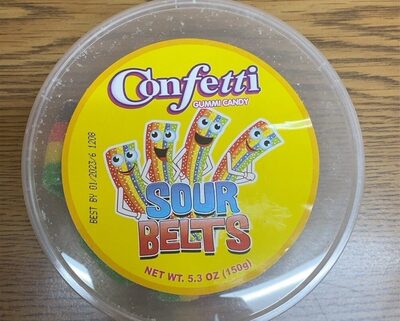
Foods that contain Colours: FD&C Yellow #5
Compare products →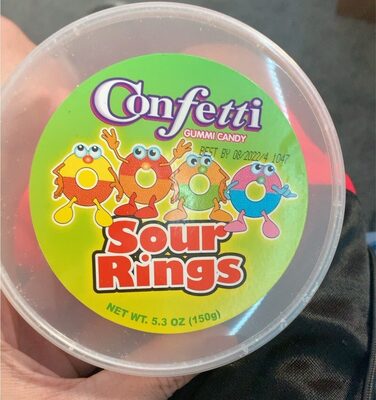
Learn more
Auto-generated content. This description was generated automatically and is pending editorial review. Inaccuracies are possible. Found a mistake? Contact us.