Confectionary Coating Sugar
What is Confectionary Coating Sugar?
Confectionary coating sugar is a type of sugar preparation used to create a hard, sweet, and often glossy outer layer on food products. It is typically made from refined sugar, which comes from sugar cane or sugar beets, and may include other ingredients to achieve desired coating properties.
Is Confectionary Coating Sugar a major allergen?
Not a major allergen.
What is Confectionary Coating Sugar used for?
Manufacturers use confectionary coating sugar to add sweetness, improve texture, and enhance the visual appeal of snacks and candies.
Is Confectionary Coating Sugar safe?
Sugar, including confectionary coating sugar, is generally recognized as safe (GRAS) by the FDA.
Why it's used
Manufacturers use confectionary coating sugar to add sweetness, improve texture, and enhance the visual appeal of snacks and candies. It provides a protective layer that can prevent stickiness and extend shelf life, commonly found on items like candy-coated nuts, pretzels, and chocolates.
Health notes
Sugar, including confectionary coating sugar, is generally recognized as safe (GRAS) by the FDA. The 2025-2030 Dietary Guidelines for Americans recommend no amount of added sugars, and at most 10 grams of added sugars per meal. High intake of added sugars can contribute to excess calorie consumption and may be linked to various health concerns. JECFA has evaluated sucrose and established an acceptable daily intake.
Allergen info
Not a major allergen.
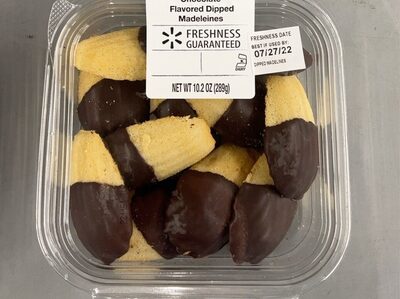
Foods that contain Confectionary Coating Sugar
Compare products →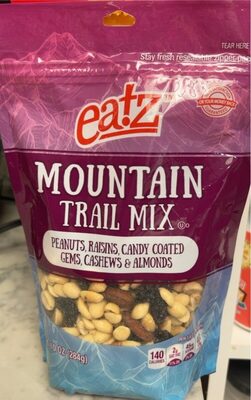
Learn more
Auto-generated content. This description was generated automatically and is pending editorial review. Inaccuracies are possible. Found a mistake? Contact us.