Confetti Sprinkles: Sugar
What is Confetti Sprinkles: Sugar?
Confetti sprinkles are small, decorative confectionery pieces often used to adorn baked goods and desserts. They are typically made from sugar, corn syrup, cornstarch, and food colorings, giving them various shapes and vibrant hues.
Is Confetti Sprinkles: Sugar a major allergen?
Confetti sprinkles are not considered a major allergen themselves.
What is Confetti Sprinkles: Sugar used for?
Manufacturers add confetti sprinkles primarily for visual appeal, texture, and a touch of sweetness.
Is Confetti Sprinkles: Sugar safe?
The main ingredient in confetti sprinkles is sugar, which is generally recognized as safe (GRAS) by the FDA.
Why it's used
Manufacturers add confetti sprinkles primarily for visual appeal, texture, and a touch of sweetness. They are commonly found on cakes, cupcakes, cookies, ice cream, and other celebratory desserts to enhance their festive appearance.
Health notes
The main ingredient in confetti sprinkles is sugar, which is generally recognized as safe (GRAS) by the FDA. However, the 2025-2030 Dietary Guidelines for Americans recommend no amount of added sugars, and at most 10 grams per meal. JECFA has evaluated sugars and set an acceptable daily intake. Many confetti sprinkles also contain artificial food colors. The FDA announced a plan in April 2025 to phase out petroleum-based synthetic dyes, including Red 40, Yellow 5, Yellow 6, Blue 1, Blue 2, Green 3, Citrus Red 2, and Orange B, which are often used in such products. Additionally, the FDA revoked Red 3 for food use in January 2025, with manufacturers having until January 2027 to comply.
Allergen info
Confetti sprinkles are not considered a major allergen themselves. However, some formulations may contain ingredients derived from major allergens like wheat (from starches) or soy (from emulsifiers). Always check the specific product label for allergen information.
Foods that contain Confetti Sprinkles: Sugar
Compare products →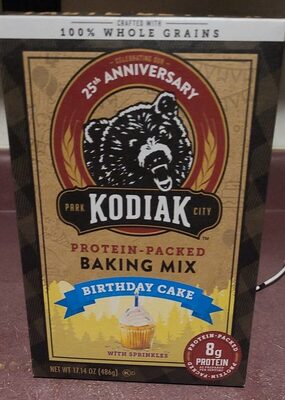
Learn more
Auto-generated content. This description was generated automatically and is pending editorial review. Inaccuracies are possible. Found a mistake? Contact us.