Contains Less Than 2%: Beef Extract
What is Contains Less Than 2%: Beef Extract?
Beef extract is a concentrated flavoring made from cooked beef. It is produced by simmering beef and bones to create a broth, which is then reduced to a thick paste or powder. This process intensifies the savory, meaty taste of beef.
Is Contains Less Than 2%: Beef Extract vegan?
No. Contains Less Than 2%: Beef Extract is animal-derived, so it is not vegan.
Is Contains Less Than 2%: Beef Extract gluten-free?
It does not contain gluten.
Is Contains Less Than 2%: Beef Extract a major allergen?
Beef extract is derived from beef, which is not one of the nine major allergens recognized by the FDA.
What is Contains Less Than 2%: Beef Extract used for?
Manufacturers add beef extract to provide a rich, savory, beefy flavor to foods.
Is Contains Less Than 2%: Beef Extract safe?
In the US, beef extract is generally recognized as safe (GRAS) by the FDA when used as a flavoring.
Why it's used
Manufacturers add beef extract to provide a rich, savory, beefy flavor to foods. It is commonly found in products like gravies, soups, sauces, and seasoned mixes where a deep meat flavor is desired.
Health notes
In the US, beef extract is generally recognized as safe (GRAS) by the FDA when used as a flavoring. Regulatory bodies like JECFA have evaluated similar meat extracts. At typical consumption levels, it contributes to the overall sodium content of foods. There are no widespread health controversies associated with its use as a flavor enhancer.
Allergen info
Beef extract is derived from beef, which is not one of the nine major allergens recognized by the FDA. It does not contain gluten.
Foods that contain Contains Less Than 2%: Beef Extract
Compare products →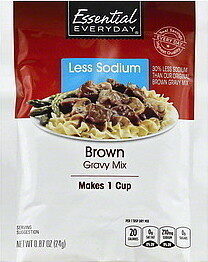
Learn more
Auto-generated content. This description was generated automatically and is pending editorial review. Inaccuracies are possible. Found a mistake? Contact us.