Contains Less Than 2%: Black Pepper
What is Contains Less Than 2%: Black Pepper?
Black pepper (Piper nigrum) is a flowering vine in the family Piperaceae. The fruit of the vine, called a peppercorn, is dried and used as a spice. It is native to South India and widely cultivated in tropical regions.
Is Contains Less Than 2%: Black Pepper vegan?
Contains Less Than 2%: Black Pepper is not animal-derived. Products that contain it can still include other animal-derived ingredients, so check the full ingredient list.
Is Contains Less Than 2%: Black Pepper a major allergen?
Not a major allergen.
What is Contains Less Than 2%: Black Pepper used for?
Black pepper is primarily used as a flavoring agent in a wide variety of savory and sweet dishes.
Is Contains Less Than 2%: Black Pepper safe?
Black pepper is Generally Recognized As Safe (GRAS) by the FDA for use in food.
Why it's used
Black pepper is primarily used as a flavoring agent in a wide variety of savory and sweet dishes. Its pungent, slightly spicy flavor adds depth and complexity to foods. It is commonly found in spice blends, marinades, sauces, soups, and as a finishing spice.
Health notes
Black pepper is Generally Recognized As Safe (GRAS) by the FDA for use in food. It contains piperine, which is responsible for its pungent taste and may affect nutrient absorption. International bodies like JECFA have evaluated black pepper and its extracts. While generally considered safe in typical food amounts, high doses may cause digestive upset.
Allergen info
Not a major allergen.
Foods that contain Contains Less Than 2%: Black Pepper
Compare products →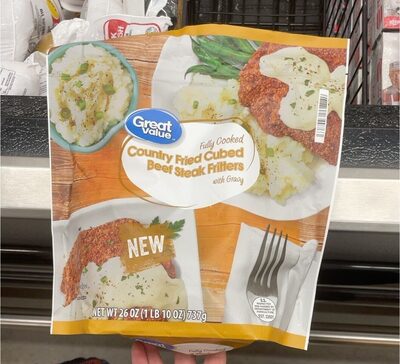
Learn more
Auto-generated content. This description was generated automatically and is pending editorial review. Inaccuracies are possible. Found a mistake? Contact us.