Contains Less Than 2% Paprika
What is Contains Less Than 2% Paprika?
Paprika is a spice made from ground dried red peppers, typically varieties of *Capsicum annuum*. It can range in color from bright orange-red to deep red and offers a mild, sweet flavor, though some varieties can be spicy. The peppers are dried and then ground into a fine powder.
Is Contains Less Than 2% Paprika vegan?
Contains Less Than 2% Paprika is not animal-derived. Products that contain it can still include other animal-derived ingredients, so check the full ingredient list.
Is Contains Less Than 2% Paprika gluten-free?
It is also gluten-free.
Is Contains Less Than 2% Paprika a major allergen?
Paprika is not derived from any of the nine FDA major allergens.
What is Contains Less Than 2% Paprika used for?
Paprika is primarily used as a coloring agent and flavoring in foods.
Is Contains Less Than 2% Paprika safe?
Paprika is generally recognized as safe (GRAS) by the FDA for use as a food ingredient.
Why it's used
Paprika is primarily used as a coloring agent and flavoring in foods. It imparts a warm, reddish hue and a mild, sweet pepper taste. It is commonly found in processed meats, sauces, spice blends, soups, and snack foods like chips.
Health notes
Paprika is generally recognized as safe (GRAS) by the FDA for use as a food ingredient. It contains antioxidants, such as carotenoids, which are beneficial compounds. International bodies like JECFA have evaluated paprika oleoresin, a concentrated extract, and established guidelines for its use. At typical dietary levels, it is not associated with adverse health effects.
Allergen info
Paprika is not derived from any of the nine FDA major allergens. It is also gluten-free.
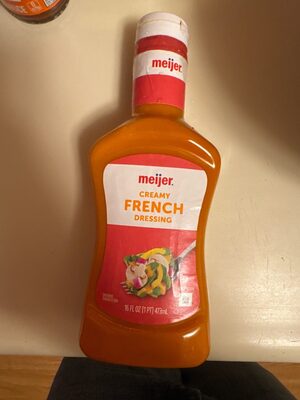
Foods that contain Contains Less Than 2% Paprika
Compare products →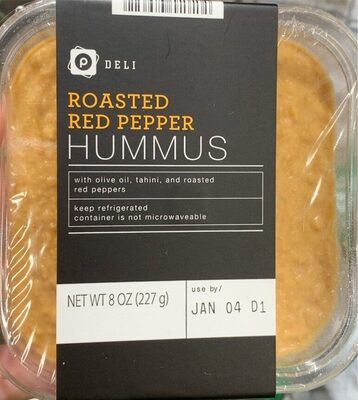
Learn more
Auto-generated content. This description was generated automatically and is pending editorial review. Inaccuracies are possible. Found a mistake? Contact us.