Cornflower Petals
What is Cornflower Petals?
Cornflower petals are the colorful blue petals of the cornflower plant (Centaurea cyanus). The plant is native to Europe and North Africa but is now grown in many parts of the world. The petals are harvested and dried for use in food and beverages.
Is Cornflower Petals vegan?
Cornflower Petals is not animal-derived. Products that contain it can still include other animal-derived ingredients, so check the full ingredient list.
Is Cornflower Petals gluten-free?
They do not contain gluten.
Is Cornflower Petals a major allergen?
Cornflower petals are not derived from any of the 9 FDA major allergens.
What is Cornflower Petals used for?
Cornflower petals are primarily used for their natural blue color, adding visual appeal to food products.
Is Cornflower Petals safe?
Cornflower petals are generally recognized as safe (GRAS) by the FDA for use as a food ingredient.
Why it's used
Cornflower petals are primarily used for their natural blue color, adding visual appeal to food products. They are often found in teas, baked goods like cakes and cupcakes, and sometimes in confectionery. Their mild flavor is usually not a primary reason for their inclusion.
Health notes
Cornflower petals are generally recognized as safe (GRAS) by the FDA for use as a food ingredient. They are not known to have significant health effects at the levels typically consumed in food. International bodies like EFSA have also evaluated cornflower extracts. Evidence regarding specific health benefits or risks is limited, and it is not a common area of scientific focus.
Allergen info
Cornflower petals are not derived from any of the 9 FDA major allergens. They do not contain gluten.
Foods that contain Cornflower Petals
Compare products →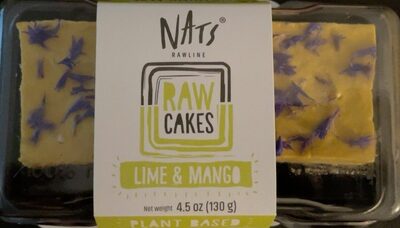
Learn more
Auto-generated content. This description was generated automatically and is pending editorial review. Inaccuracies are possible. Found a mistake? Contact us.