Cornichons
What is Cornichons?
Cornichons are small, tart pickles made from immature cucumbers. They are typically pickled in a brine of vinegar, salt, and spices, often with herbs like tarragon. The small size and crisp texture are characteristic of this type of pickle.
Is Cornichons vegan?
Cornichons is not animal-derived. Products that contain it can still include other animal-derived ingredients, so check the full ingredient list.
Is Cornichons gluten-free?
They do not contain gluten.
Is Cornichons a major allergen?
Cornichons are not derived from any of the 9 FDA major allergens.
What is Cornichons used for?
Cornichons are often served as a condiment or appetizer, adding a bright, acidic flavor to dishes.
Is Cornichons safe?
Cornichons are generally recognized as safe (GRAS) by the FDA when used as a food ingredient.
Why it's used
Cornichons are often served as a condiment or appetizer, adding a bright, acidic flavor to dishes. They are frequently paired with charcuterie boards, pâtés, cheeses, and sandwiches. Manufacturers use them to provide a tangy counterpoint to richer foods.
Health notes
Cornichons are generally recognized as safe (GRAS) by the FDA when used as a food ingredient. They are primarily composed of cucumbers and vinegar, which are common food items. Regulatory bodies like JECFA and EFSA have evaluated similar pickled products, but specific evaluations for 'cornichons' as a distinct ingredient are not typically highlighted. The main health considerations relate to sodium content, common in pickled foods.
Allergen info
Cornichons are not derived from any of the 9 FDA major allergens. They do not contain gluten.
Foods that contain Cornichons
Compare products →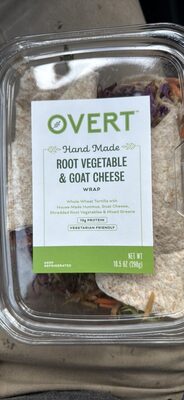
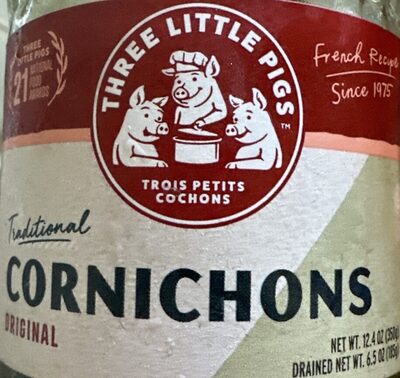
Auto-generated content. This description was generated automatically and is pending editorial review. Inaccuracies are possible. Found a mistake? Contact us.