Cumin And Oregano
Auto-generated content. This description was generated automatically and is pending editorial review. Inaccuracies are possible. Found a mistake? Contact us.
What it is
Cumin and oregano are dried herbs commonly used together as a spice blend. Cumin comes from the dried seed of the Cuminum cyminum plant, native to the Middle East and India. Oregano is derived from the leaves of the Origanum vulgare plant, a perennial herb in the mint family, native to the Mediterranean region.
Why it's used
This blend is added to foods to provide a savory, earthy, and slightly pungent flavor. It is frequently used in spice mixes, rubs, marinades, and as a seasoning for a wide variety of dishes, including Mexican, Italian, and Mediterranean cuisines.
Health notes
Cumin and oregano are generally recognized as safe (GRAS) by the FDA when used as a spice. Both herbs contain various compounds that have been studied for potential antioxidant and anti-inflammatory properties, though research is ongoing. International bodies like EFSA have evaluated oregano and its components, but no specific health claims are made by regulatory agencies for typical dietary intake.
Allergen info
Cumin and oregano are not among the nine major allergens identified by the FDA. They do not contain gluten.
Products containing Cumin And Oregano
Compare products →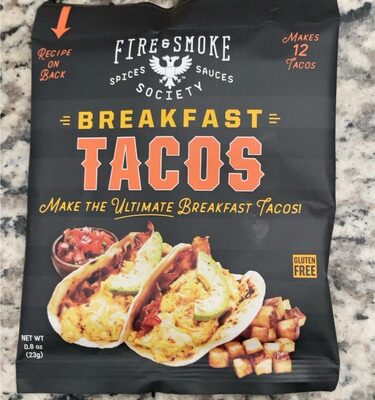 2178 Kensington Ave., Inc.
Breakfast Tacos, Breakfast
263kcal
0Protein
0Fat
52.6Carbs
Fire & Smoke Society, LLC
Guac & Queso Spices, Guac & Queso
357kcal
0Protein
0Fat
71.4Carbs
2178 Kensington Ave., Inc.
Breakfast Tacos, Breakfast
263kcal
0Protein
0Fat
52.6Carbs
Fire & Smoke Society, LLC
Guac & Queso Spices, Guac & Queso
357kcal
0Protein
0Fat
71.4Carbs
 Emma-Leigh & Co
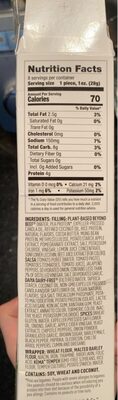
Beef Plant-Based Mini Empanadas!, Beef
250kcal
14.3Protein
8.9Fat
28.6Carbs
Emma-Leigh & Co
Beef Plant-Based Mini Empanadas!, Beef
250kcal
14.3Protein
8.9Fat
28.6Carbs
 Fire & Smoke Society, LLC
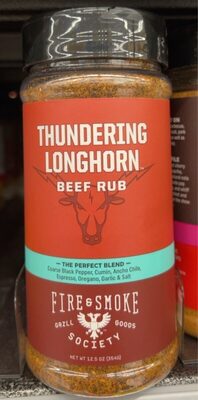
Thundering Longhorn The Perfect Blend Beef Rub, Thundering Longhorn
0kcal
0Protein
0Fat
0Carbs
2178 Kensington Ave., Inc.
Brisket & Burgers Thundering Longhorn, Brisket & Burgers
0kcal
0Protein
0Fat
0Carbs
Fire & Smoke Society, LLC
Thundering Longhorn The Perfect Blend Beef Rub, Thundering Longhorn
0kcal
0Protein
0Fat
0Carbs
2178 Kensington Ave., Inc.
Brisket & Burgers Thundering Longhorn, Brisket & Burgers
0kcal
0Protein
0Fat
0Carbs